
Introduction
Life on Earth thrives in a surprising variety of places, from lush forests to frozen tundras and scorching deserts. Among the most fascinating stories are how animals survive and even flourish in some of the planet’s toughest environments, like deserts and the Arctic. By studying these animals and their unique adaptations, we can learn valuable lessons about resilience and survival in extreme conditions.
Physical Adaptations Help Animals Conserve Water and Stay Cool
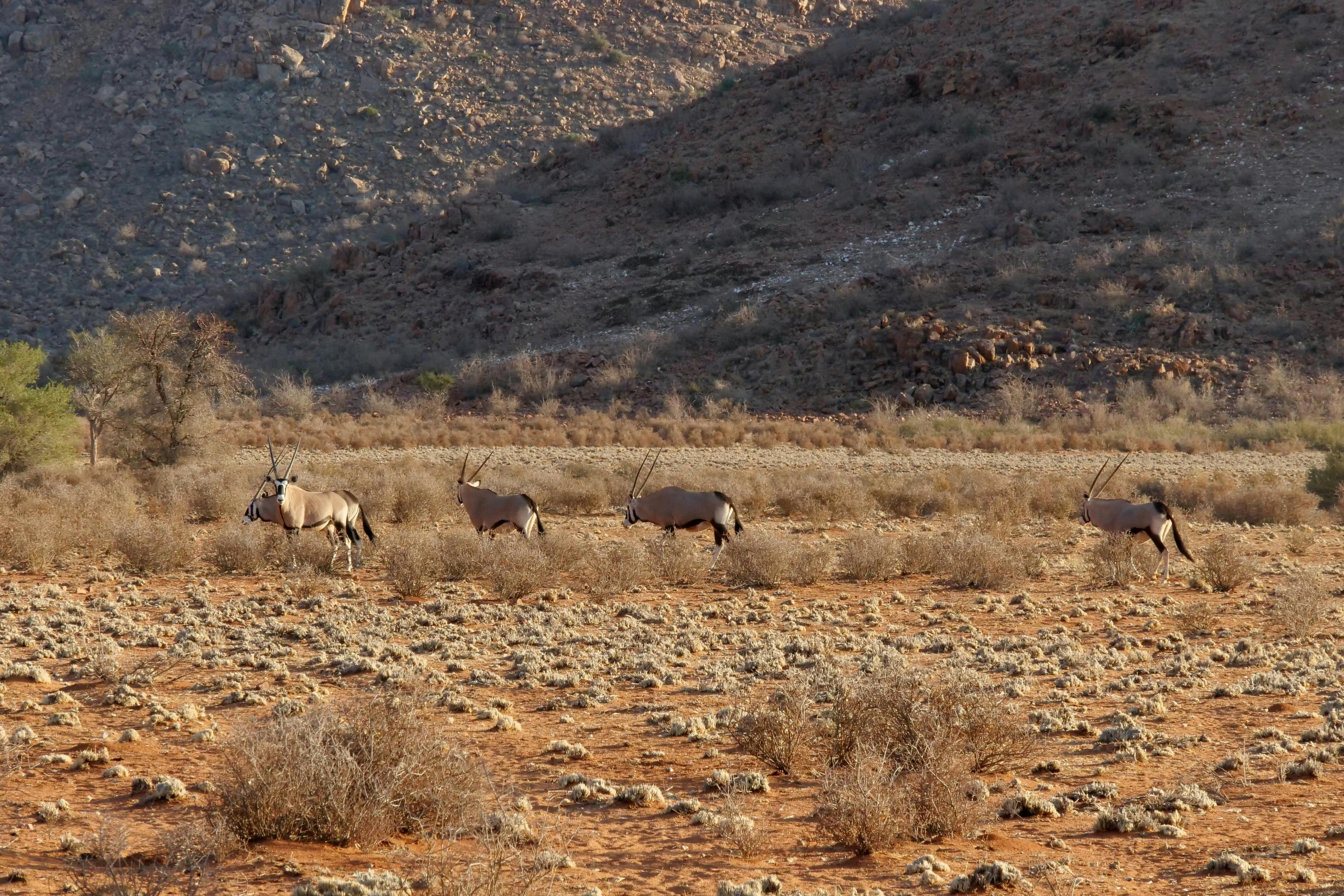
In deserts, where water is scarce and temperatures can be extreme, animals have developed special physical traits to survive. Camels, for example, have thick fur to protect against the sun and can go long periods without water. Many desert animals are active at night to avoid the heat of the day, showing how their bodies help them conserve moisture and regulate temperature.

Behavioral Adaptations Support Survival in Freezing Conditions
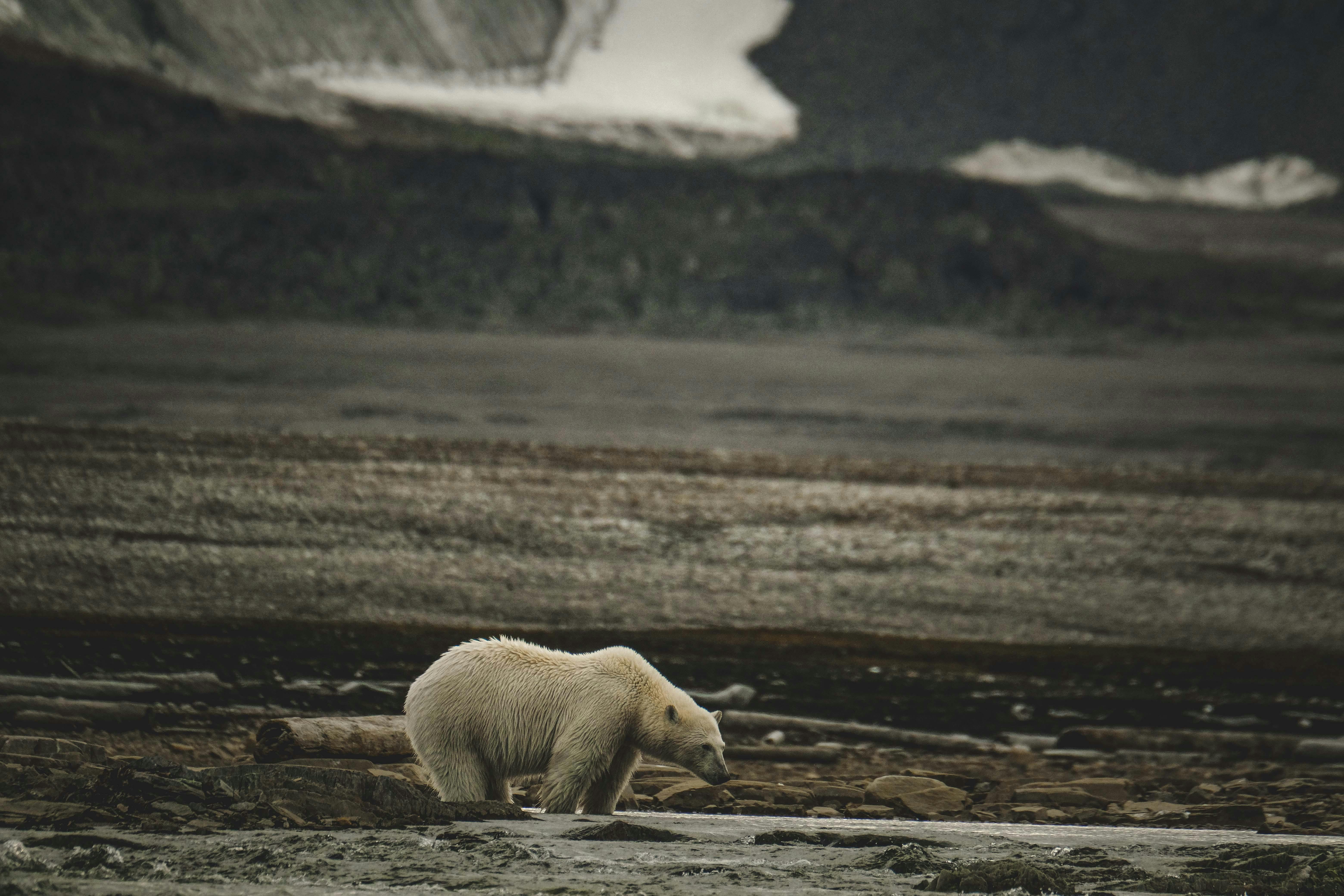
In the Arctic, animals face freezing cold and long winters. Polar bears rely on thick fat layers and dense fur to stay warm, while Arctic foxes change their fur color with the seasons to blend in and avoid predators. These behaviors help them survive and hunt in a challenging, icy environment.
Unique Metabolic Adaptations Enable Energy Efficiency
Some desert animals slow their metabolism to survive without food or water during tough times. Arctic animals like seals store fat in their blubber, which keeps them warm and provides energy when food is scarce. These metabolic adaptations are key to surviving in harsh climates.
Reproductive Strategies Increase Chances of Survival
Animals living in extreme environments often time their breeding carefully. Desert animals tend to have babies right after rare rains when food is available, and Arctic animals give birth in the short summer months when conditions improve. This timing boosts the chances their young will survive.
Lessons We Can Learn From These Adaptations
The survival strategies of desert and Arctic animals show us the power of resilience and adaptation. As climate change affects habitats globally, understanding these natural tactics can help us protect wildlife and manage ecosystems better.
Conclusion
Animals in deserts and the Arctic have evolved incredible ways to survive some of the toughest conditions on Earth. Their physical traits, behaviors, and strategies teach us about nature’s strength and adaptability. Learning from these creatures can inspire us to protect the planet and adapt to the changes ahead.
