
Introduction
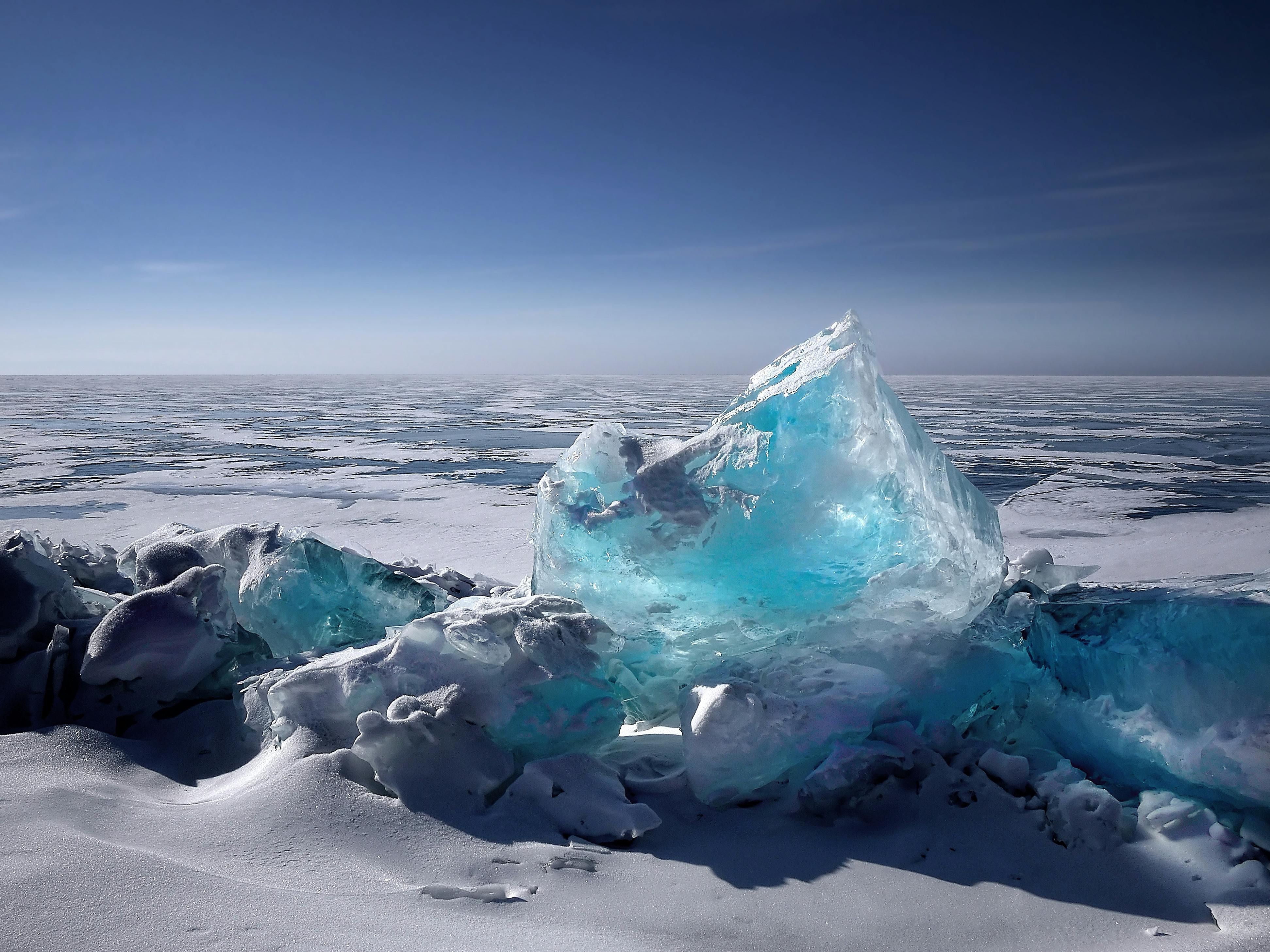
Glaciers may appear still and timeless, but their changes hold some of the most important warnings about Earth’s future. Their retreat, thinning, and rapid shifts offer clear evidence of warming temperatures and serve as crucial indicators of the climate changes shaping our planet today. Studying how glaciers change over time gives us a clearer understanding of the pace of global warming and helps us predict the environmental challenges our planet may face in the future.
The Role of Glaciers in Earth’s Climate System
Glaciers play an important part in keeping Earth’s climate stable. They act like huge mirrors that reflect sunlight, helping to cool the planet. They also store large amounts of frozen water, and when they melt or grow, they affect sea levels and the movement of water around the world. Because of this, any change in glaciers gives us a clear idea of what is happening to the Earth's climate.
Glacial Retreat: A Clear Signal of Rising Temperatures
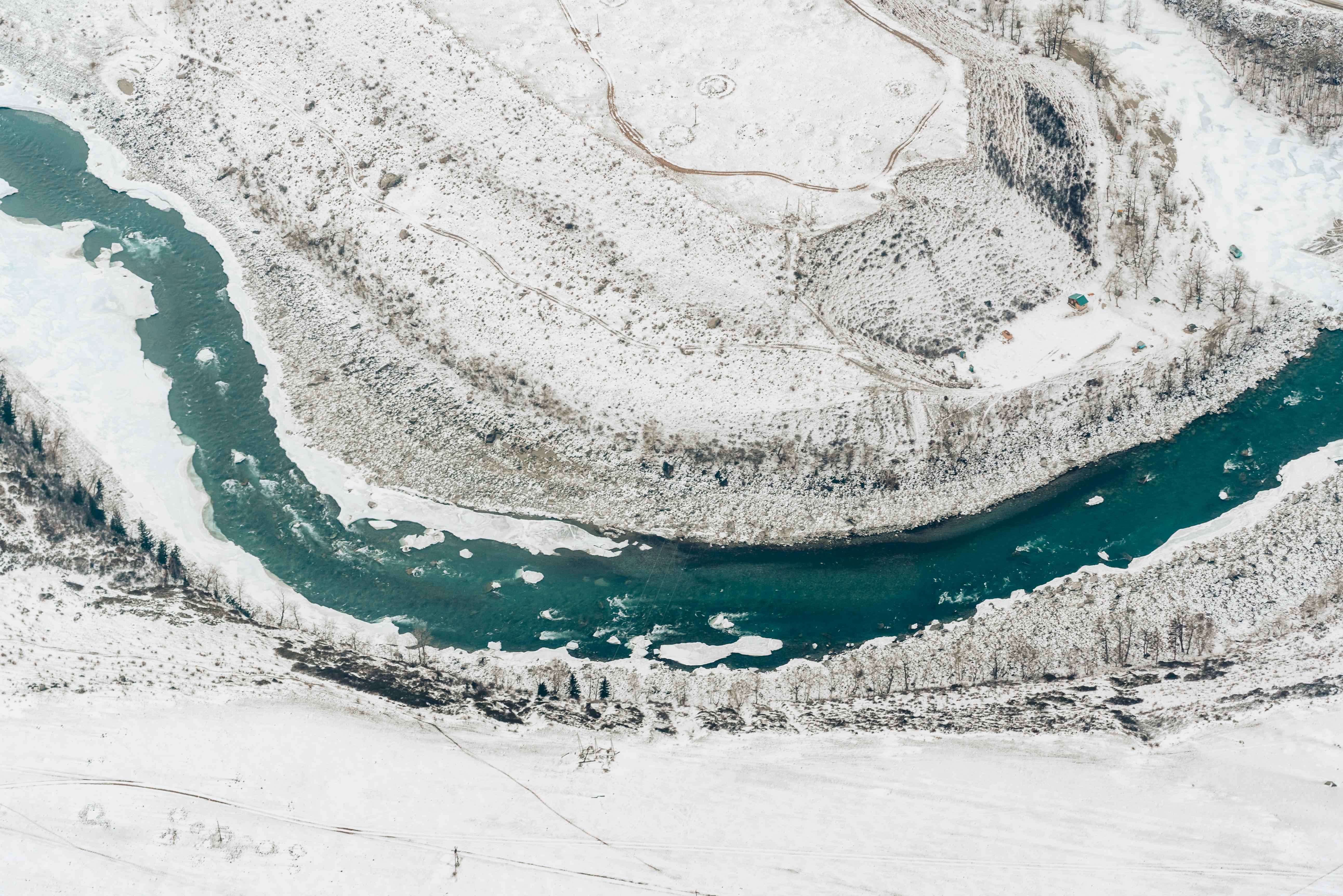
In addition, one of the most noticeable changes happening today is the rapid retreat of glaciers. When glaciers shrink faster than they grow, it shows that temperatures are rising. This retreat can be seen in many parts of the world, where ice that once filled valleys is now disappearing. The speed of this melting is strong evidence that the planet is warming, and it helps scientists understand how quickly climate change is affecting the Earth.
Ice Cores as Windows Into Earth’s Climate History
Ice cores taken from glaciers give scientists a unique look into Earth’s past climate. As snow builds up over thousands of years, it traps tiny bubbles of air, dust, and chemicals inside the ice. By studying these layers, researchers can learn about temperature changes, atmospheric gases, and even major events like volcanic eruptions. These frozen records help us understand how the climate has changed over time and how today’s changes compare to the past.
Melting Glaciers and Their Impact on Sea Levels
When glaciers melt faster than they form, the extra water flows into the oceans and causes sea levels to rise. Even a small increase can make a big difference, especially for coastal cities and low-lying areas. Higher sea levels can lead to more flooding, stronger storms, and the loss of land over time. This connection between melting ice and rising seas shows just how closely our planet’s climate and water systems are linked.
Conclusion
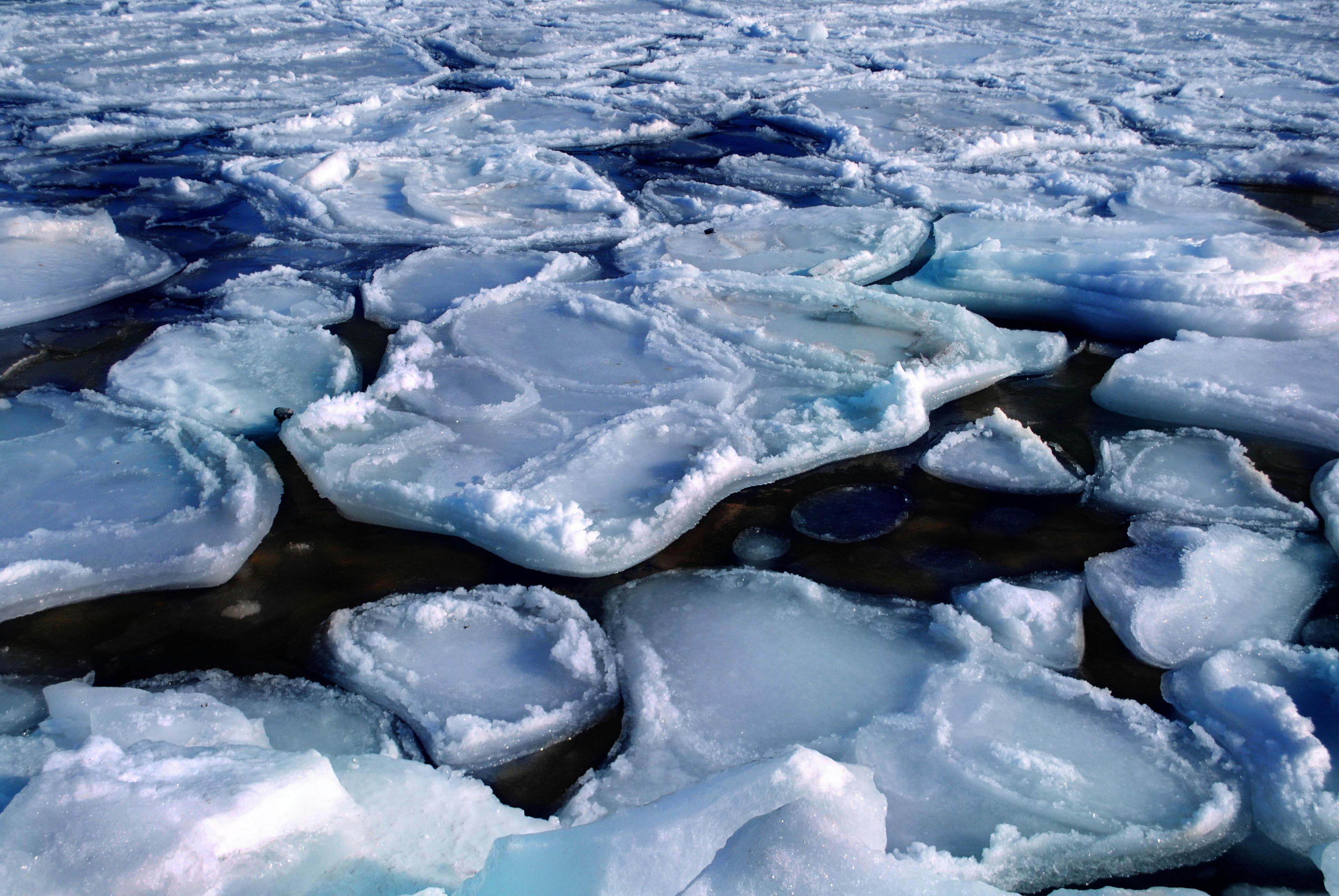
Glaciers are more than frozen landscapes—they are powerful indicators of the changes taking place across our planet. By examining their retreat, studying ice cores, and understanding their effect on sea levels, we gain a clearer picture of how quickly Earth’s climate is shifting. As these icy giants continue to change, they remind us that the future of our planet depends on the choices we make today, and that understanding these signals is the first step toward protecting the world for generations to come.
