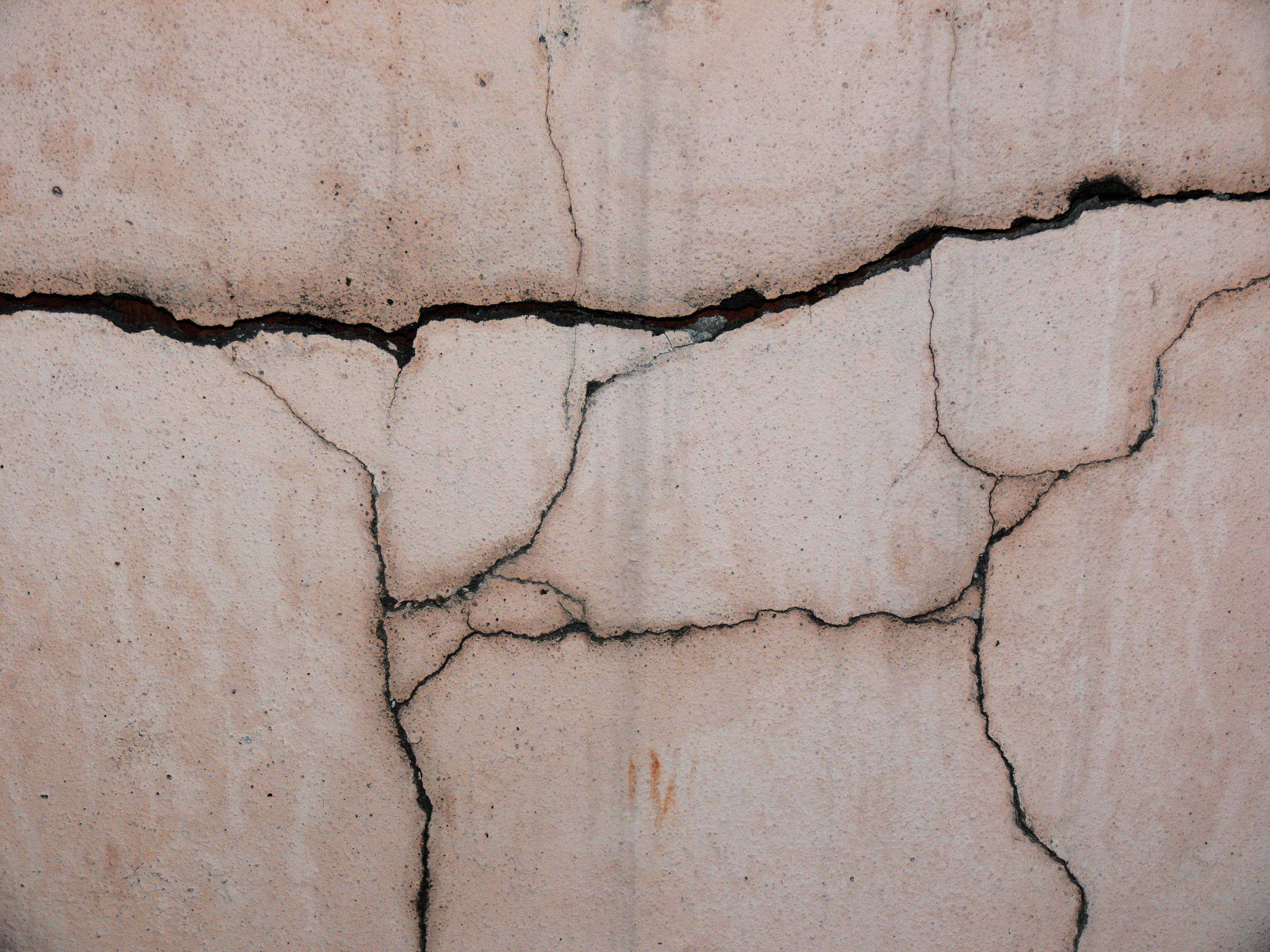
The Basics of Plate Movement
The Earth’s crust isn’t one solid piece—it’s made of several plates that float on a softer layer below. These plates are always in motion, even if we can’t feel it. When they slide past each other, pull apart, or push together, they release energy that can cause earthquakes. This constant motion explains why certain regions are more earthquake-prone than others.

When Plates Collide: Mountains and Quakes
Some of the world’s largest mountain ranges formed when plates collided. For example, the Himalayas continue to rise as the Indian and Eurasian plates push against each other. But these powerful collisions also build up stress along plate boundaries, and when this stress is released, it results in strong earthquakes that can reshape the landscape.
Sliding Plates and Sudden Shifts
In places where plates slide past one another—such as the San Andreas Fault in California—earthquakes occur because the plates get stuck and then suddenly break free. This sudden movement sends shockwaves through the ground. Although these quakes vary in strength, they serve as reminders of the invisible forces at work beneath the surface.
Spreading Plates and New Crust Formation
Not all plate movements involve collisions. Some plates pull apart, creating space for molten rock to rise and form new crust. This happens along mid-ocean ridges, where underwater volcanoes and earthquakes are common. These slow but continuous changes help shape the seafloor and gradually move continents over millions of years.