
Introduction
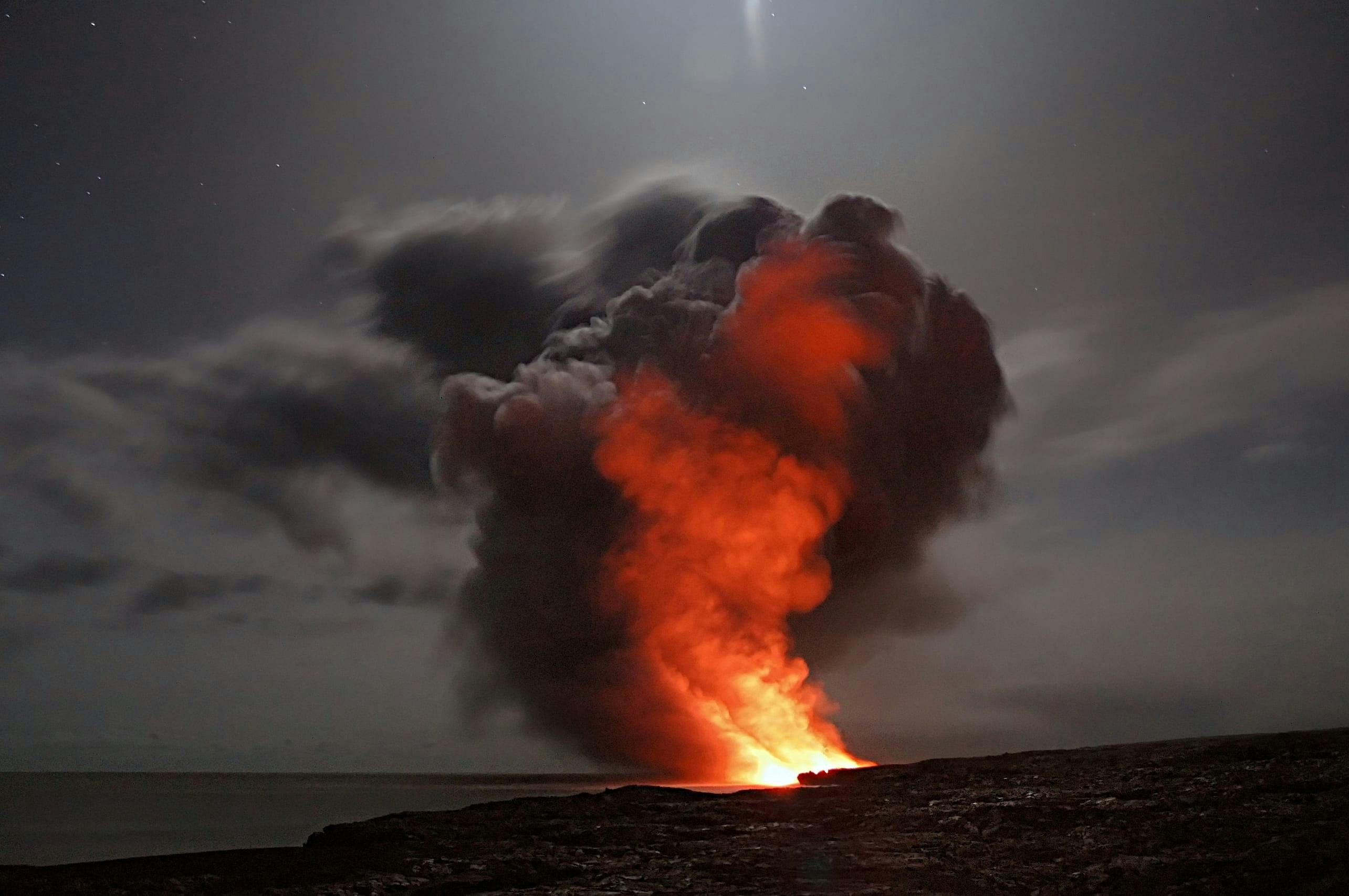
Active volcanoes are among the most powerful forces in nature. They can transform landscapes in moments, create new land, and even influence the atmosphere above us. Although they may seem destructive, volcanoes have played a major role in shaping the Earth we know today. Understanding how they work helps us appreciate both their creative and their disruptive power.
Volcanoes and the Formation of New Land
Many islands and mountain ranges were born from volcanic activity. When lava cools and solidifies, it builds layers of rock that slowly form new land. Famous places like Hawaii and Iceland owe their existence to active volcanoes. Over long periods, these eruptions create rich soils that support diverse ecosystems.
Many islands and mountain ranges were born from volcanic activity. When lava cools and solidifies, it builds layers of rock that slowly form new land. Famous places like Hawaii and Iceland owe their existence to active volcanoes. Over long periods, these eruptions create rich soils that support diverse ecosystems.
Shaping Earth’s Surface Over Time
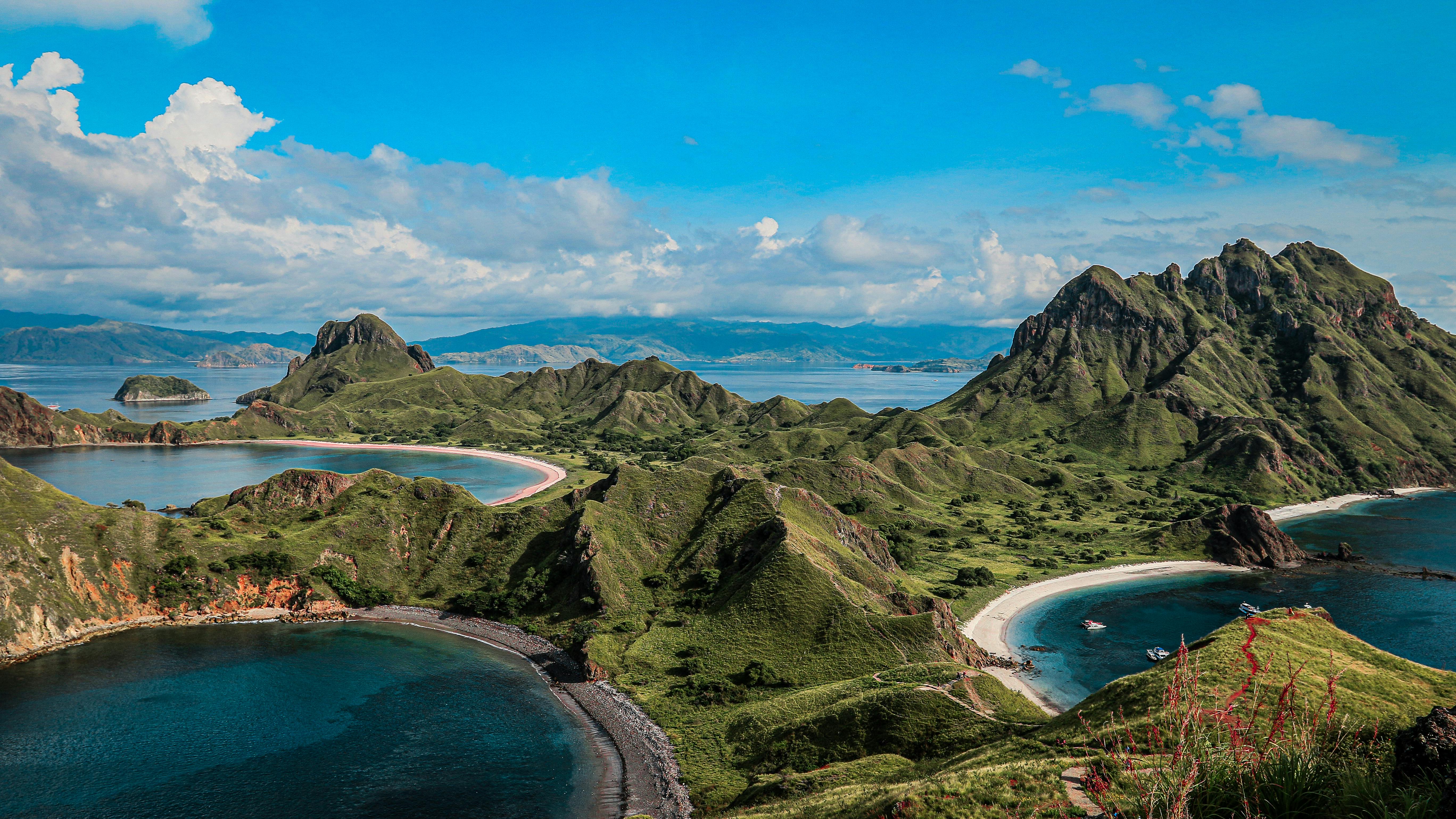
Volcanoes don’t only create land—they constantly reshape it. Eruptions can carve valleys, raise mountains, and alter rivers. Even after an eruption ends, erosion and weathering continue to sculpt volcanic landscapes. These changes remind us that Earth’s surface is always evolving, driven by forces deep below the crust.
Volcanic Gases and Their Impact on Climate
When volcanoes erupt, they release gases such as sulfur dioxide and carbon dioxide into the atmosphere. Sulfur dioxide can reflect sunlight away from Earth, temporarily cooling global temperatures. In contrast, carbon dioxide traps heat and contributes to long-term warming. Depending on the size and type of eruption, volcanoes can either cool the planet or add to its warming.
When volcanoes erupt, they release gases such as sulfur dioxide and carbon dioxide into the atmosphere. Sulfur dioxide can reflect sunlight away from Earth, temporarily cooling global temperatures. In contrast, carbon dioxide traps heat and contributes to long-term warming. Depending on the size and type of eruption, volcanoes can either cool the planet or add to its warming.
Ash Clouds and Their Global Effects
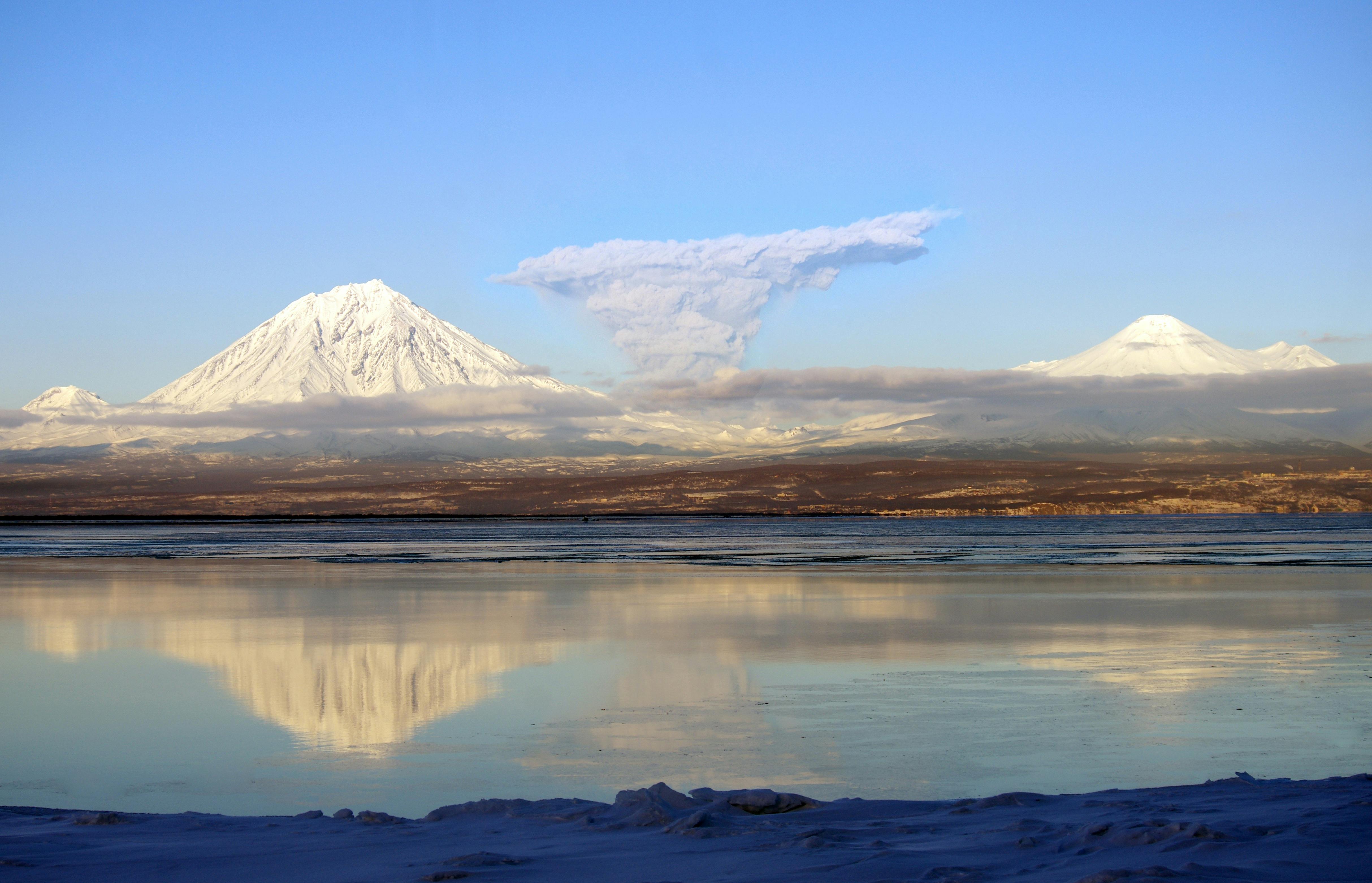
Volcanic ash clouds can spread across continents, disrupting air travel and affecting weather patterns. Fine ash particles block sunlight, sometimes causing short-term drops in temperature. Major eruptions throughout history have even led to years of unusual weather, reduced harvests, and cooler summers.
Volcanic ash clouds can spread across continents, disrupting air travel and affecting weather patterns. Fine ash particles block sunlight, sometimes causing short-term drops in temperature. Major eruptions throughout history have even led to years of unusual weather, reduced harvests, and cooler summers.
Conclusion
Active volcanoes continue to shape Earth in dramatic and subtle ways. They build new land, transform landscapes, and influence our climate through the gases and ash they release. By studying these powerful natural systems, we gain a clearer understanding of both the planet’s past and the environmental changes we may face in the future.