

Introduction
Caves have always captured human curiosity. Dark, silent, and mysterious, they offer a glimpse into geological processes that take thousands or even millions of years. These underground spaces don’t form by chance—they are shaped by natural forces working deep within the Earth. Understanding how caves are created helps us appreciate both the beauty and the complexity of our planet.
The Slow Power of Water Erosion
Most caves begin with a simple process: water seeping into the ground. When rainwater absorbs carbon dioxide from the air and soil, it becomes slightly acidic. This acidic water slowly dissolves limestone and other soft rocks over long periods of time. Drop by drop, it carves out tunnels and chambers that eventually grow into large cave systems.
Most caves begin with a simple process: water seeping into the ground. When rainwater absorbs carbon dioxide from the air and soil, it becomes slightly acidic. This acidic water slowly dissolves limestone and other soft rocks over long periods of time. Drop by drop, it carves out tunnels and chambers that eventually grow into large cave systems.
Chemical Reactions That Shape the Underground
Inside limestone caves, chemical reactions continue to shape the environment. As mineral-rich water drips from the ceiling, it deposits tiny amounts of calcium carbonate. Over time, these minerals build up to form stalactites hanging from the roof and stalagmites rising from the floor. These formations grow very slowly but give caves their unique and dramatic appearance.
Inside limestone caves, chemical reactions continue to shape the environment. As mineral-rich water drips from the ceiling, it deposits tiny amounts of calcium carbonate. Over time, these minerals build up to form stalactites hanging from the roof and stalagmites rising from the floor. These formations grow very slowly but give caves their unique and dramatic appearance.
The Role of Geological Pressure and Movement
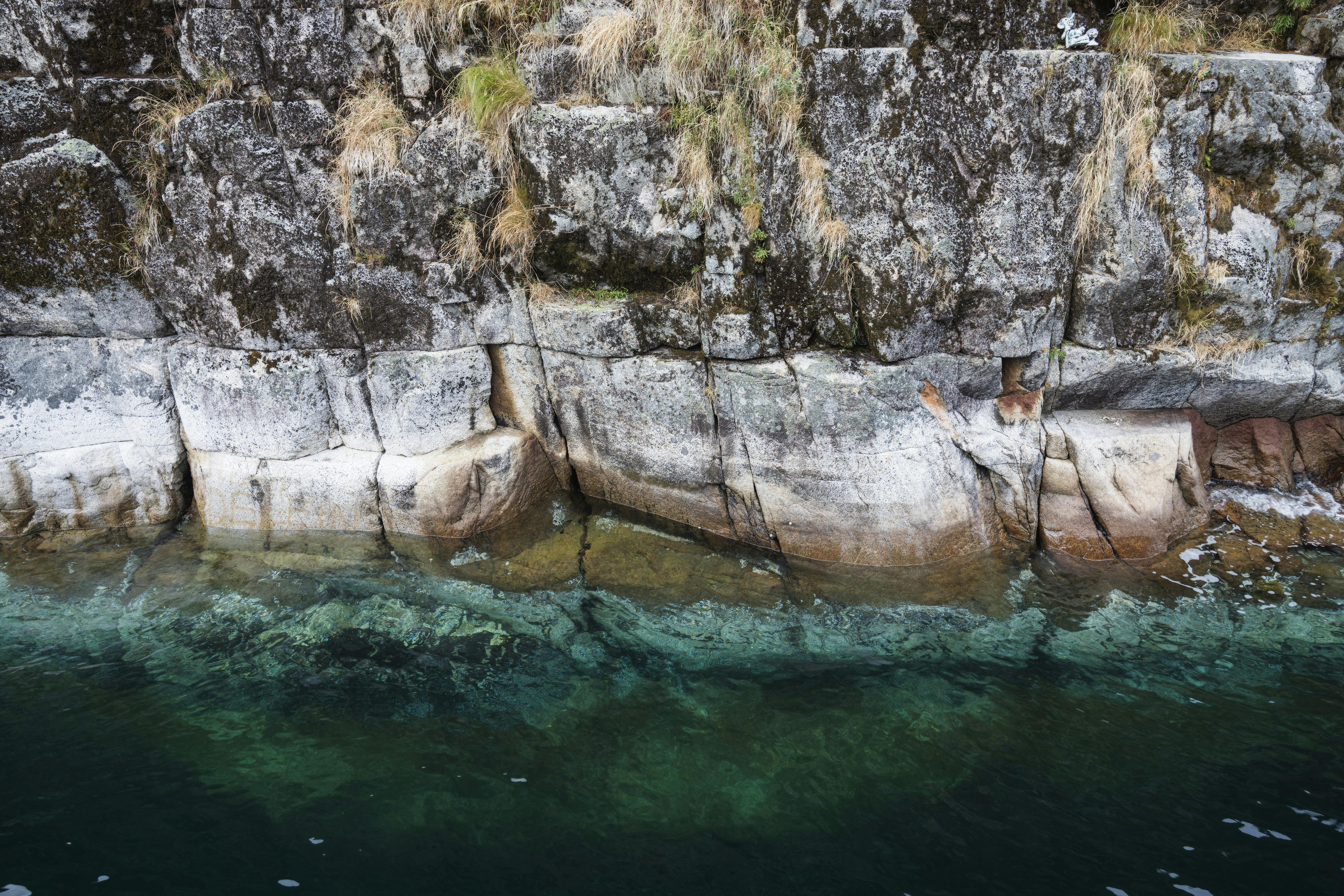
Sometimes caves form because of shifts in the Earth’s crust. When rocks crack or move due to natural pressure, empty spaces can open underground. These cavities may later expand as water flows through them, turning small cracks into larger passages. In regions with active tectonic movement, this process can help create networks of deep and complex caves.
Ice, Lava, and Other Cave-Making Forces
Not all caves form in limestone. Lava tubes, for example, are created when molten lava flows and then drains away, leaving behind hollow tunnels. In colder regions, melting ice can carve caves beneath glaciers. These different types of caves show how diverse geological forces can shape the underground world.
Not all caves form in limestone. Lava tubes, for example, are created when molten lava flows and then drains away, leaving behind hollow tunnels. In colder regions, melting ice can carve caves beneath glaciers. These different types of caves show how diverse geological forces can shape the underground world.

Conclusion
Caves are the result of slow, powerful processes that take place far from the surface. Whether carved by water, shaped by chemical reactions, or formed by shifting rock and flowing lava, they remind us of the constant changes happening beneath our feet. Exploring how caves form opens a window into Earth’s past and reveals the hidden forces that continue to shape our planet today.