Introduction
In nature, the relationship between predators and their prey is one of the key forces that keep ecosystems healthy and stable. This delicate balance helps control population sizes, supports biodiversity, and ensures that resources are shared fairly among species. Understanding how predator-prey dynamics work is essential to grasping the complexity of natural environments.
How Predators Control Prey Populations
Predators hunt prey to survive, which naturally limits the number of prey animals. Without predators, prey populations can grow unchecked, leading to overgrazing or depletion of food sources. This control helps maintain a healthy ecosystem where no single species dominates.
Prey Adaptations to Avoid Being Eaten
Prey species have developed various strategies to escape predators, such as camouflage, speed, and defensive behaviors. These adaptations make it harder for predators to catch them, creating a dynamic and ongoing interaction that drives evolution and diversity.
The Impact of Predator-Prey Balance on Ecosystem Health
When the predator-prey balance is disrupted—due to habitat loss, human intervention, or species extinction—ecosystems can become unstable. Overpopulation of prey may lead to habitat degradation, while a lack of prey can cause predator populations to decline. Maintaining this balance is crucial for ecosystem resilience.
(adsbygoogle = window.adsbygoogle || []).push({});
Examples from Nature
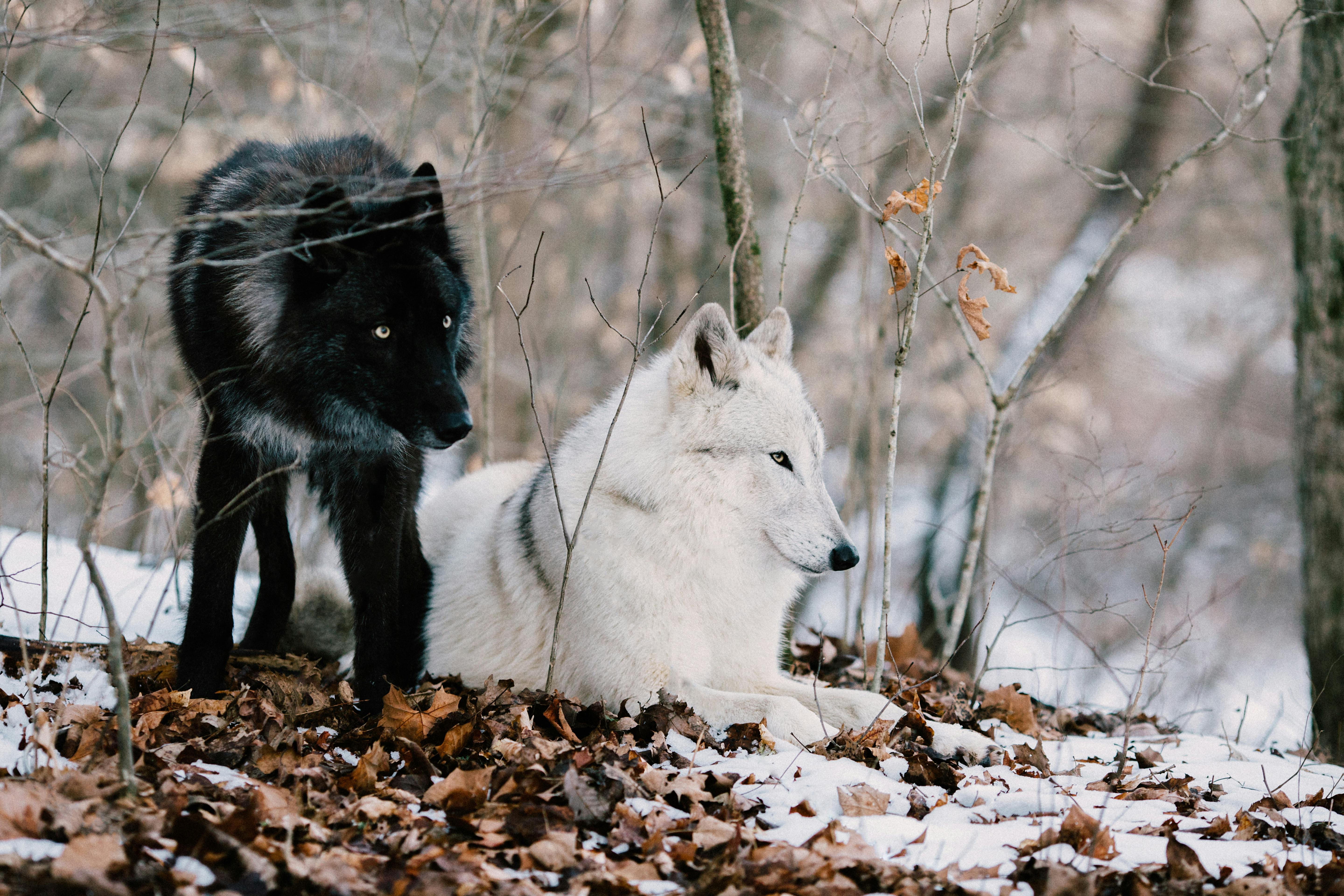
The classic example is the relationship between wolves and deer in many forests. Wolves keep deer numbers in check, preventing overbrowsing and allowing plant communities to thrive. In oceans, sharks regulate fish populations, ensuring healthy marine ecosystems.