
Introduction
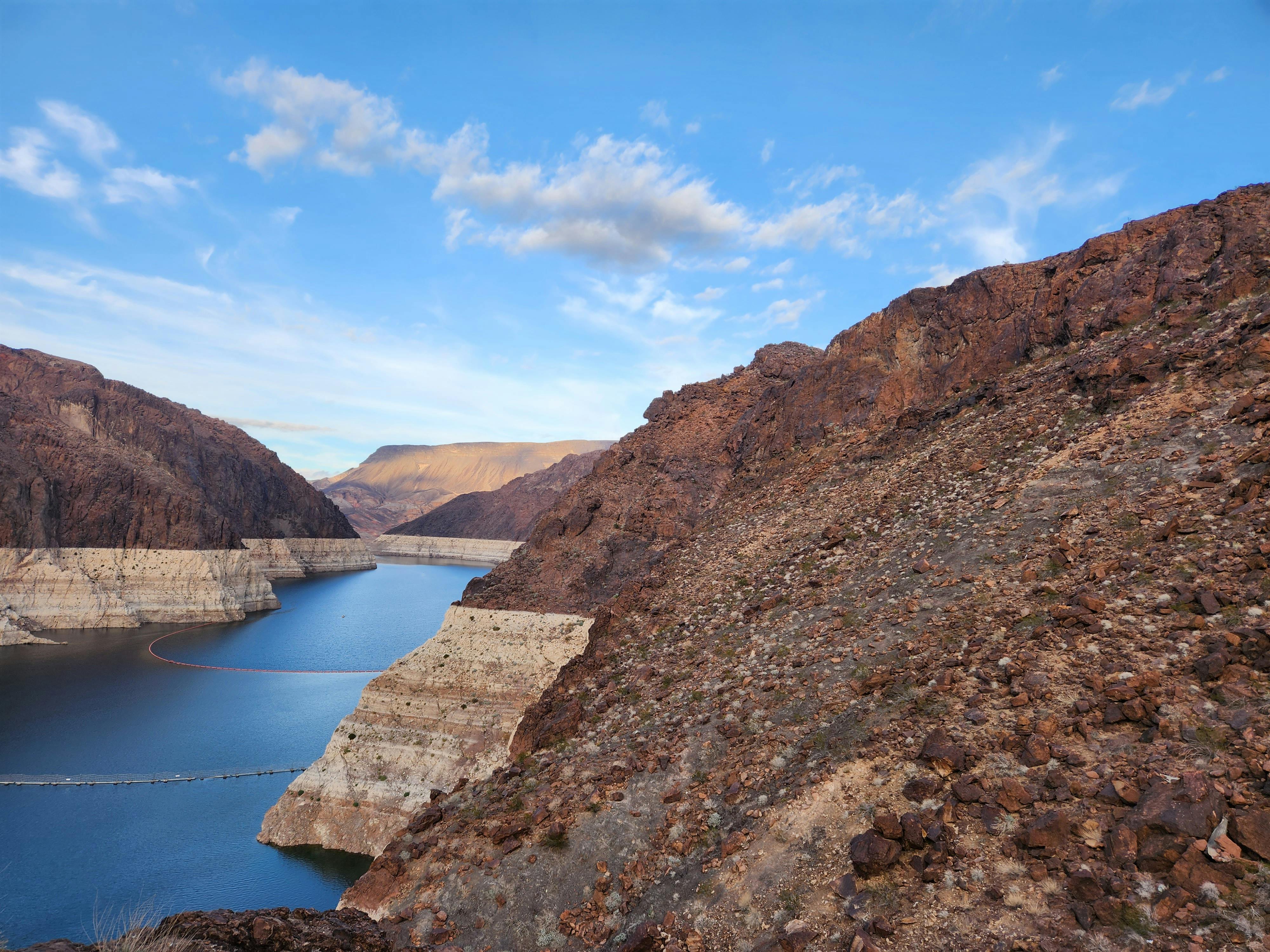
In many dry regions around the world, water is one of the most precious and limited resources. As climate change increases temperatures and reduces rainfall, finding new ways to manage water becomes even more urgent. Interestingly, nature itself offers clever strategies for surviving in harsh environments, and scientists are learning from these natural systems to create effective water-saving solutions.
Learning from Plants That Survive With Little Water
Some desert plants, like cacti and succulents, have developed remarkable ways to store and conserve water. They absorb moisture quickly during rare rainfall and hold it for long periods. Inspired by this, engineers design water-storage systems that reduce evaporation and keep water available for longer, especially in rural or dry communities.
Some desert plants, like cacti and succulents, have developed remarkable ways to store and conserve water. They absorb moisture quickly during rare rainfall and hold it for long periods. Inspired by this, engineers design water-storage systems that reduce evaporation and keep water available for longer, especially in rural or dry communities.
Animals as Models for Collecting Moisture
Certain animals, such as desert beetles, survive by capturing tiny droplets of moisture from the air. Their shells have special textures that guide water directly toward their mouths. This natural trick has inspired new technologies that collect water from fog and humidity—providing drinking water in places where rain is almost nonexistent.
Certain animals, such as desert beetles, survive by capturing tiny droplets of moisture from the air. Their shells have special textures that guide water directly toward their mouths. This natural trick has inspired new technologies that collect water from fog and humidity—providing drinking water in places where rain is almost nonexistent.
Traditional Knowledge and Natural Techniques
For centuries, people living in dry regions have created smart water-management methods based on observing nature. Systems like underground canals, stone terraces, and shaded water channels help reduce evaporation and guide water where it is needed most. These traditional techniques are being revived today because they are simple, sustainable, and effective.
Modern Technologies Rooted in Nature’s Ideas
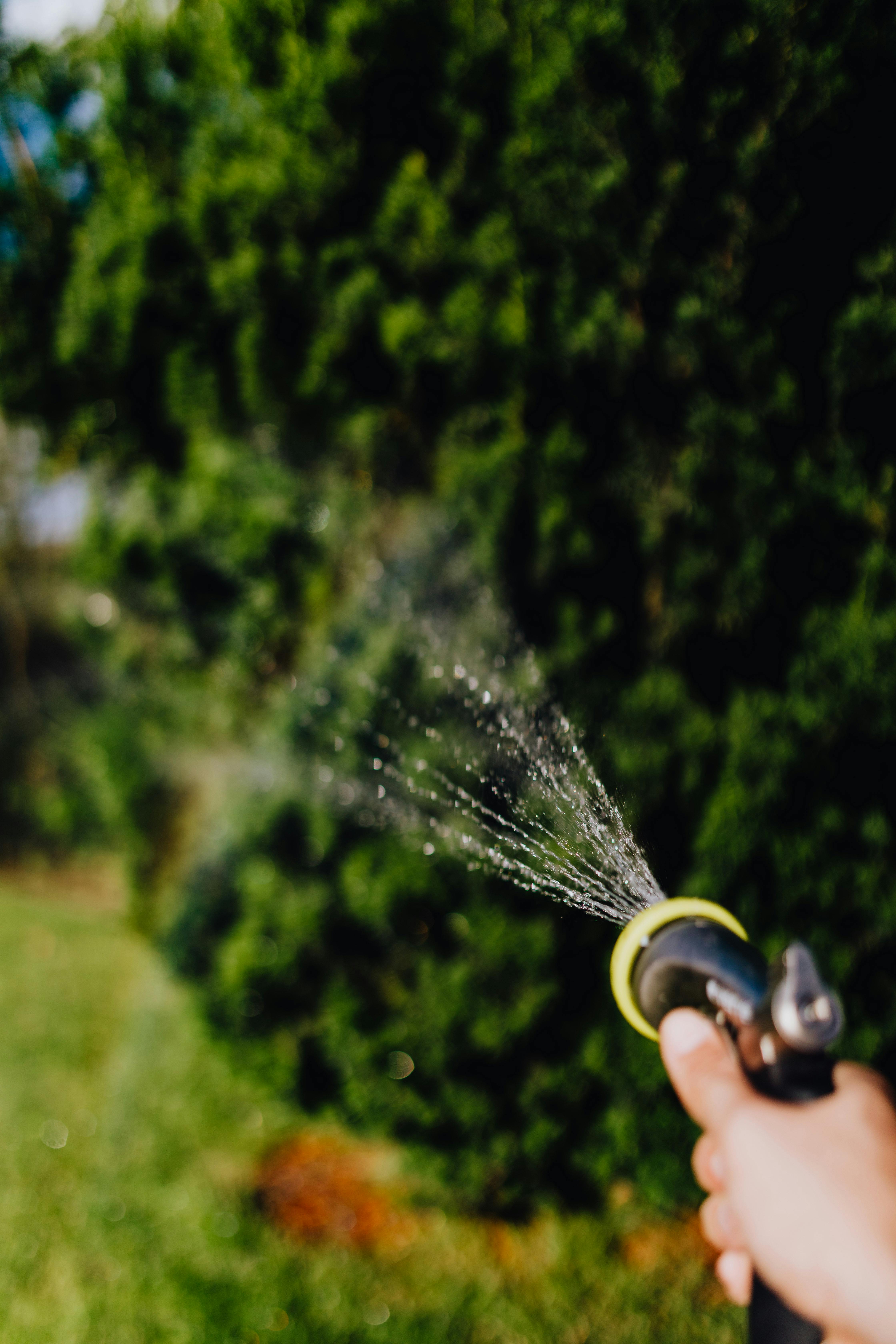
Today’s scientists combine natural inspiration with modern engineering. Techniques such as drip irrigation mimic the slow, efficient way plants distribute water to their roots. Meanwhile, artificial wetlands filter and store water just like natural ecosystems do. These solutions help communities use water more wisely while protecting the environment.
Conclusion
By studying how plants, animals, and ancient societies survive with very little water, we gain valuable lessons for managing water in today’s increasingly dry world. Nature’s designs remind us that even in tough environments, smart and sustainable solutions are always possible.