
Introduction
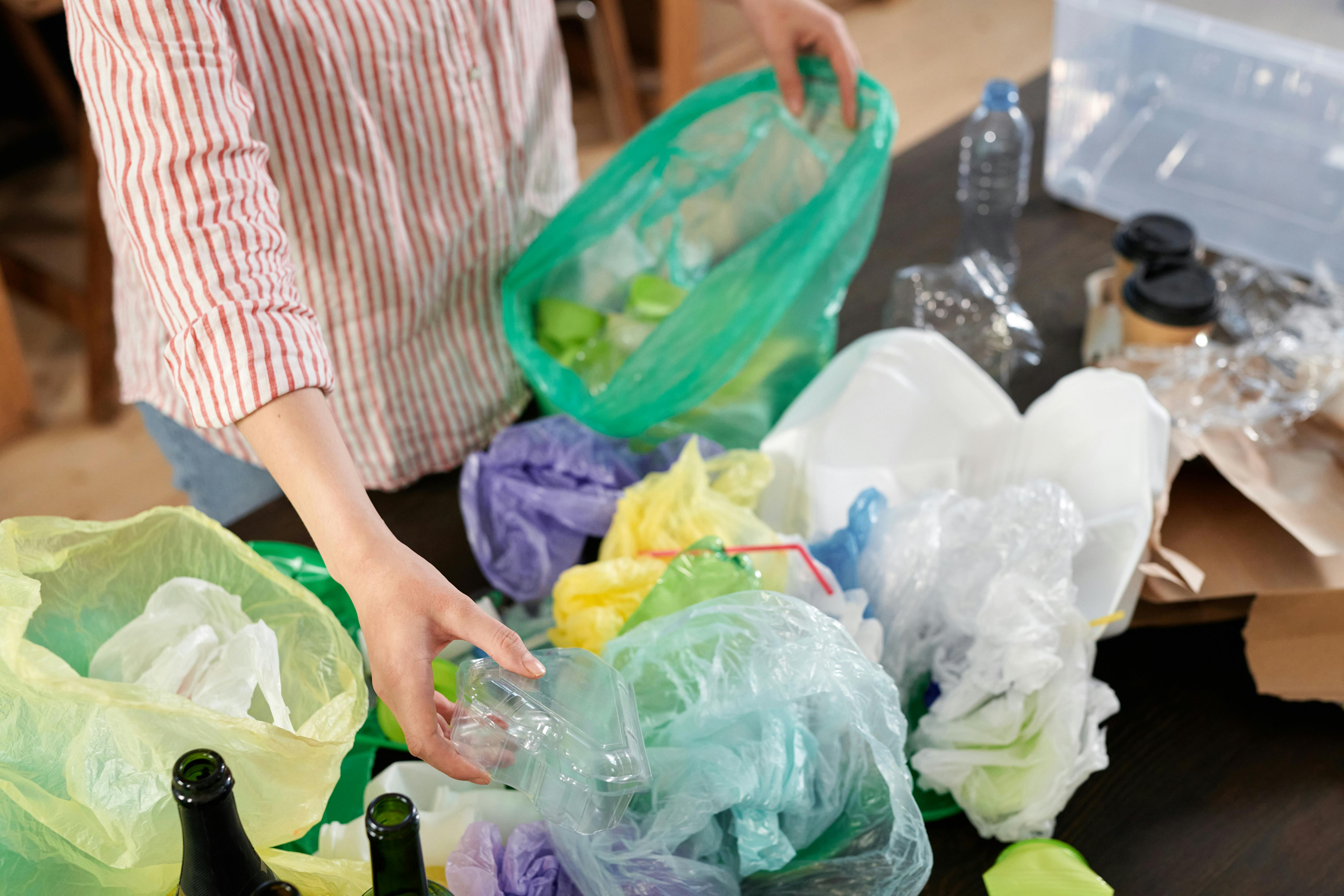
As cities continue to grow, so does the amount of waste they produce. Traditional systems follow a “take–make–throw away” pattern that drains natural resources and harms the environment. The circular economy offers a different vision—one where materials are reused, repaired, and recycled instead of being wasted. By adopting this approach, cities can reduce pollution, save money, and create a more sustainable future.
Reducing Waste Through Smarter Design
A circular city begins with designing products and buildings that last longer and can be easily repaired or recycled. When everyday items are made to be reusable instead of disposable, less waste ends up in landfills. This shift helps cities cut down on trash and encourages companies to think differently about how they produce goods.
A circular city begins with designing products and buildings that last longer and can be easily repaired or recycled. When everyday items are made to be reusable instead of disposable, less waste ends up in landfills. This shift helps cities cut down on trash and encourages companies to think differently about how they produce goods.
Recycling and Reusing Materials Locally
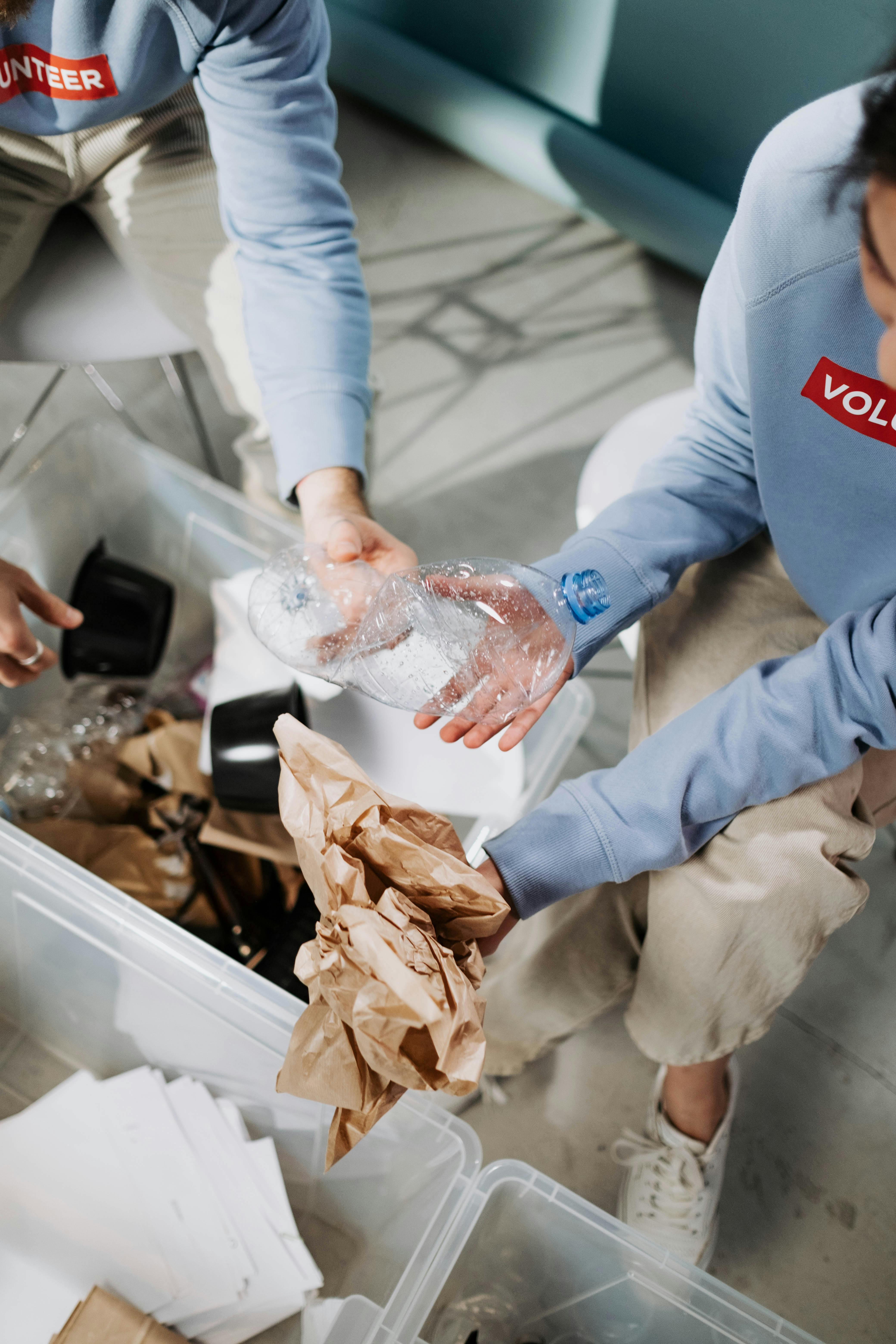
Many cities are now building recycling centers and reuse hubs where materials like glass, metal, and plastic can be processed and turned into new products. Instead of importing new raw materials, cities can use what they already have, reducing both costs and environmental impact. Local recycling also supports jobs and strengthens community involvement.
Sharing and Repairing Instead of Replacing
The circular economy promotes sharing and repairing over constant buying. Bike-sharing programs, tool libraries, and repair cafés help residents use resources more efficiently. When people fix or share items rather than replacing them, cities use fewer materials and produce far less waste—benefiting both the environment and the local economy.
The circular economy promotes sharing and repairing over constant buying. Bike-sharing programs, tool libraries, and repair cafés help residents use resources more efficiently. When people fix or share items rather than replacing them, cities use fewer materials and produce far less waste—benefiting both the environment and the local economy.
Using Organic Waste to Create New Value
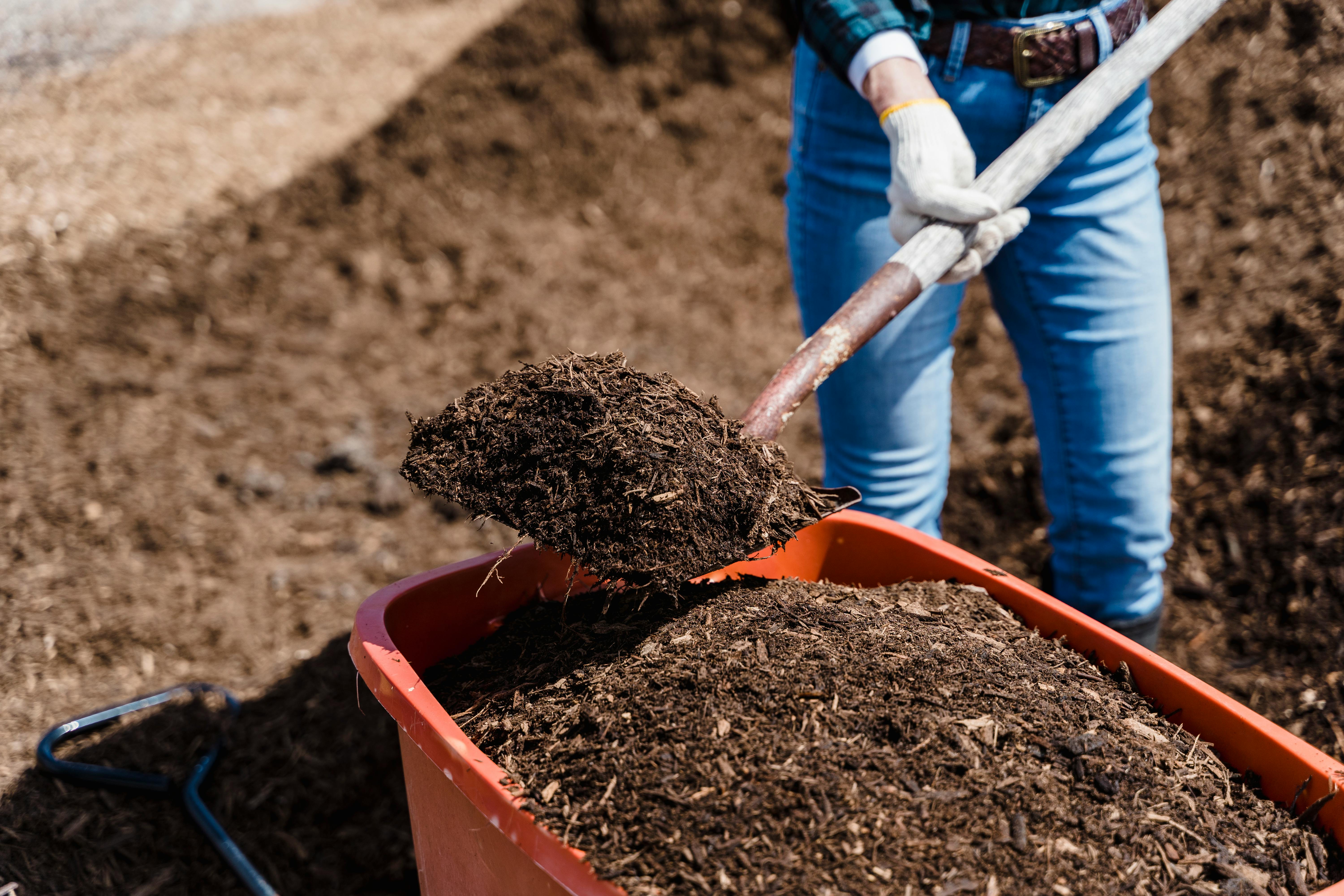
Food scraps and plant waste don’t have to be thrown away. Many cities turn organic waste into compost, which enriches soils and supports urban farming. Some even use food waste to produce biogas—a clean energy source. By transforming organic matter into something useful, cities close the loop on natural resources.
Food scraps and plant waste don’t have to be thrown away. Many cities turn organic waste into compost, which enriches soils and supports urban farming. Some even use food waste to produce biogas—a clean energy source. By transforming organic matter into something useful, cities close the loop on natural resources.
Conclusion
