
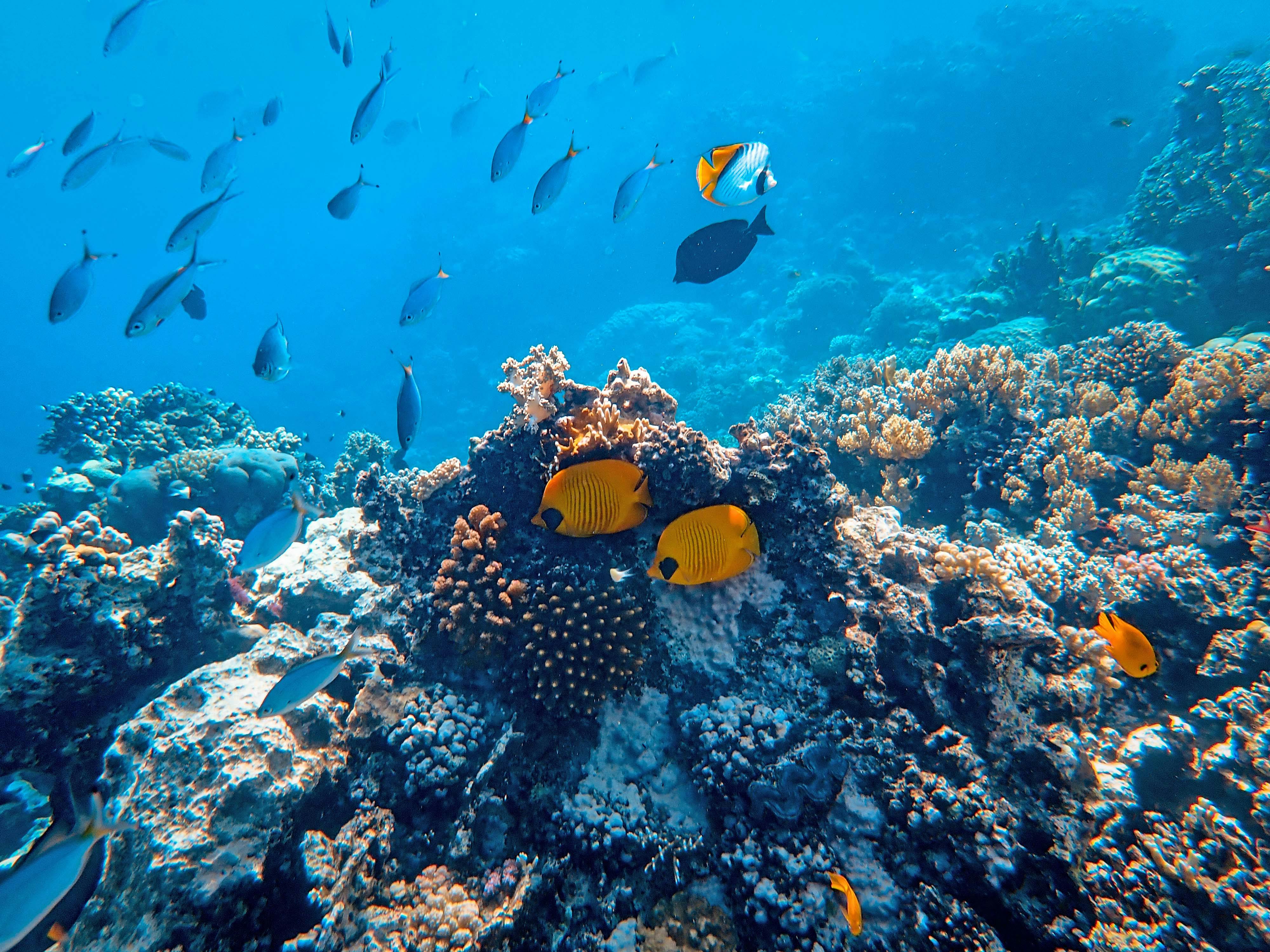
Coral reefs are some of the most vibrant and diverse ecosystems on Earth. Often called the “rainforests of the sea,” these underwater cities support thousands of marine species. However, coral reefs are facing serious threats from climate change, pollution, and human activity, putting their future in danger.
The Structure and Life of Coral Reefs
Coral reefs are built by tiny animals called coral polyps, which live together in large colonies. These polyps produce calcium carbonate skeletons that form the reef’s hard structure. Coral reefs provide shelter, food, and breeding grounds for fish, crustaceans, and many other marine creatures, creating a complex and balanced ecosystem.
Coral Symbiosis: A Delicate Partnership
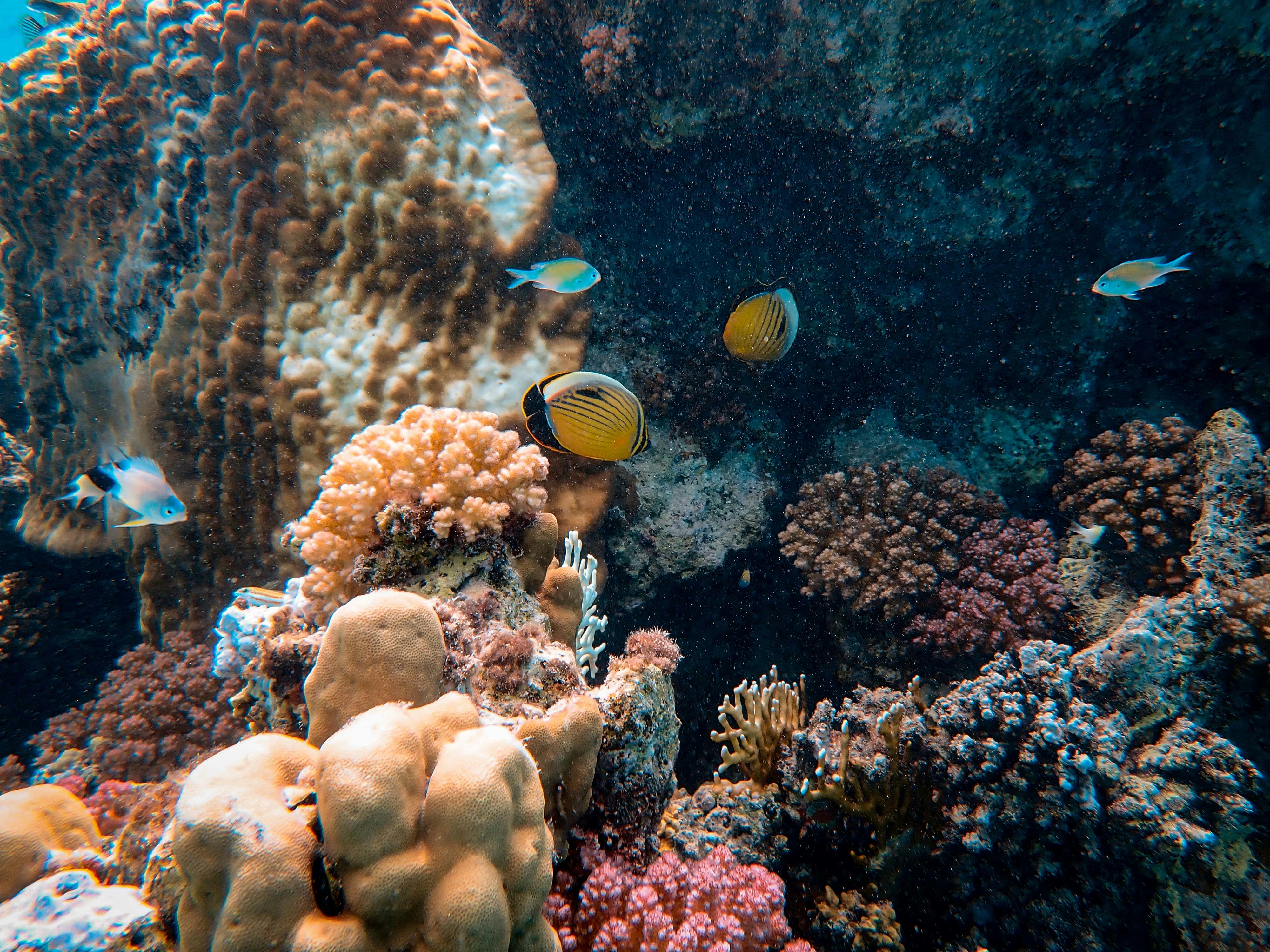
One of the reef’s secrets is the relationship between coral polyps and tiny algae called zooxanthellae. These algae live inside the coral and provide them with energy through photosynthesis. In return, the coral gives the algae a safe home and nutrients. This partnership is vital for the reef’s growth and color.
Threats Facing Coral Reefs
Rising sea temperatures cause coral bleaching, where stressed corals expel their algae and turn white. Without these algae, corals lose their main energy source and may die. Pollution, overfishing, and acidification also damage reefs, weakening their ability to recover.
The Importance of Protecting Coral Reefs
Coral reefs protect coastlines from storms and erosion, support fisheries that feed millions, and offer opportunities for tourism and scientific research. Saving coral reefs means preserving biodiversity and the livelihoods of many communities around the world.
Conclusion
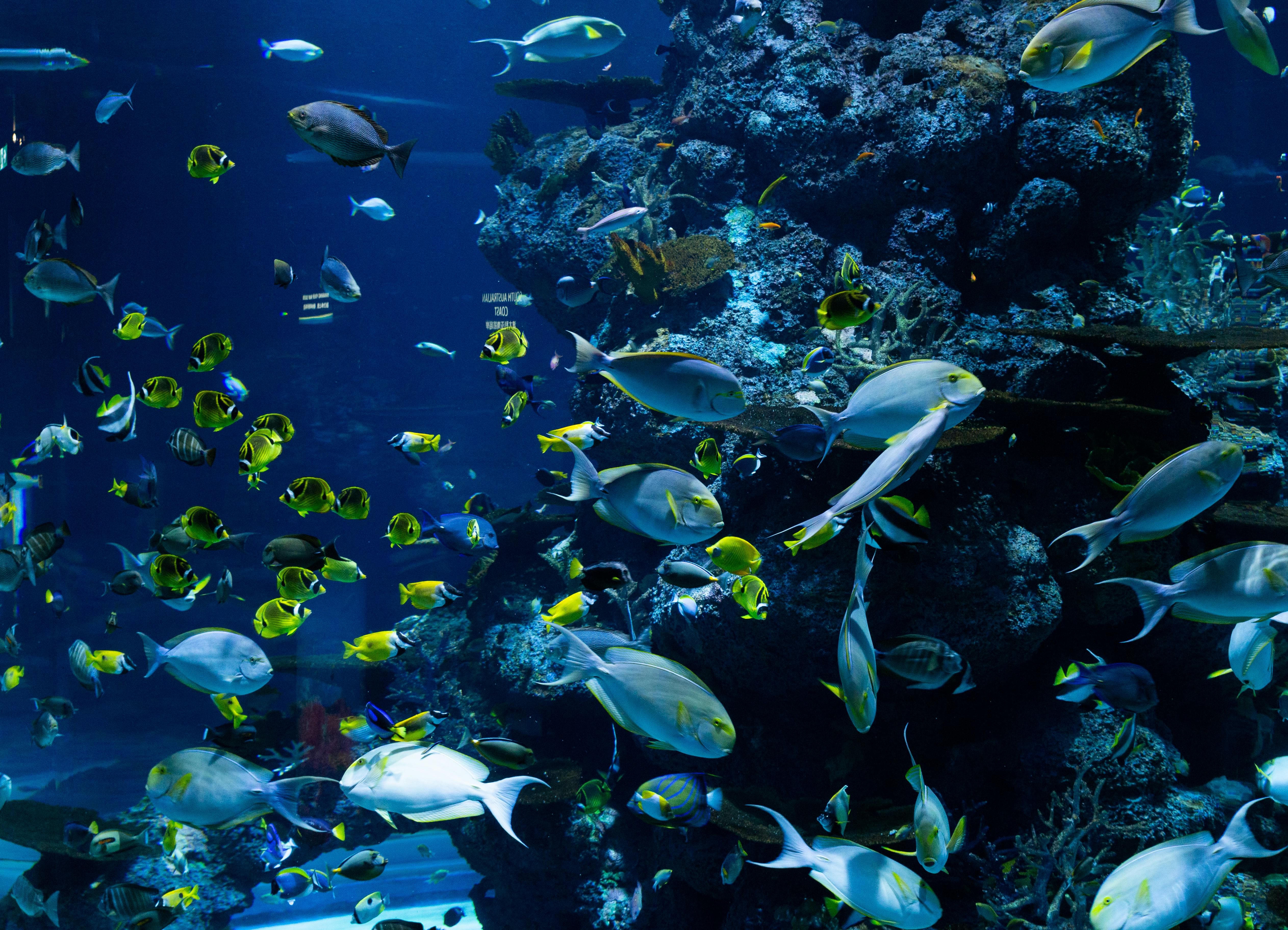
Coral reefs are living treasures beneath the ocean’s surface, but they need our protection more than ever. By understanding their biology and the challenges they face, we can work toward actions that help preserve these underwater cities for future generations.
