
Introduction
Access to energy is a challenge in many remote areas around the world. Traditional energy sources are often expensive or unavailable. Renewable energy, like solar or wind power, is changing this by providing clean, affordable, and reliable energy. This shift is improving lives and opening new opportunities for communities far from cities.
Renewable Energy Solutions for Remote Areas
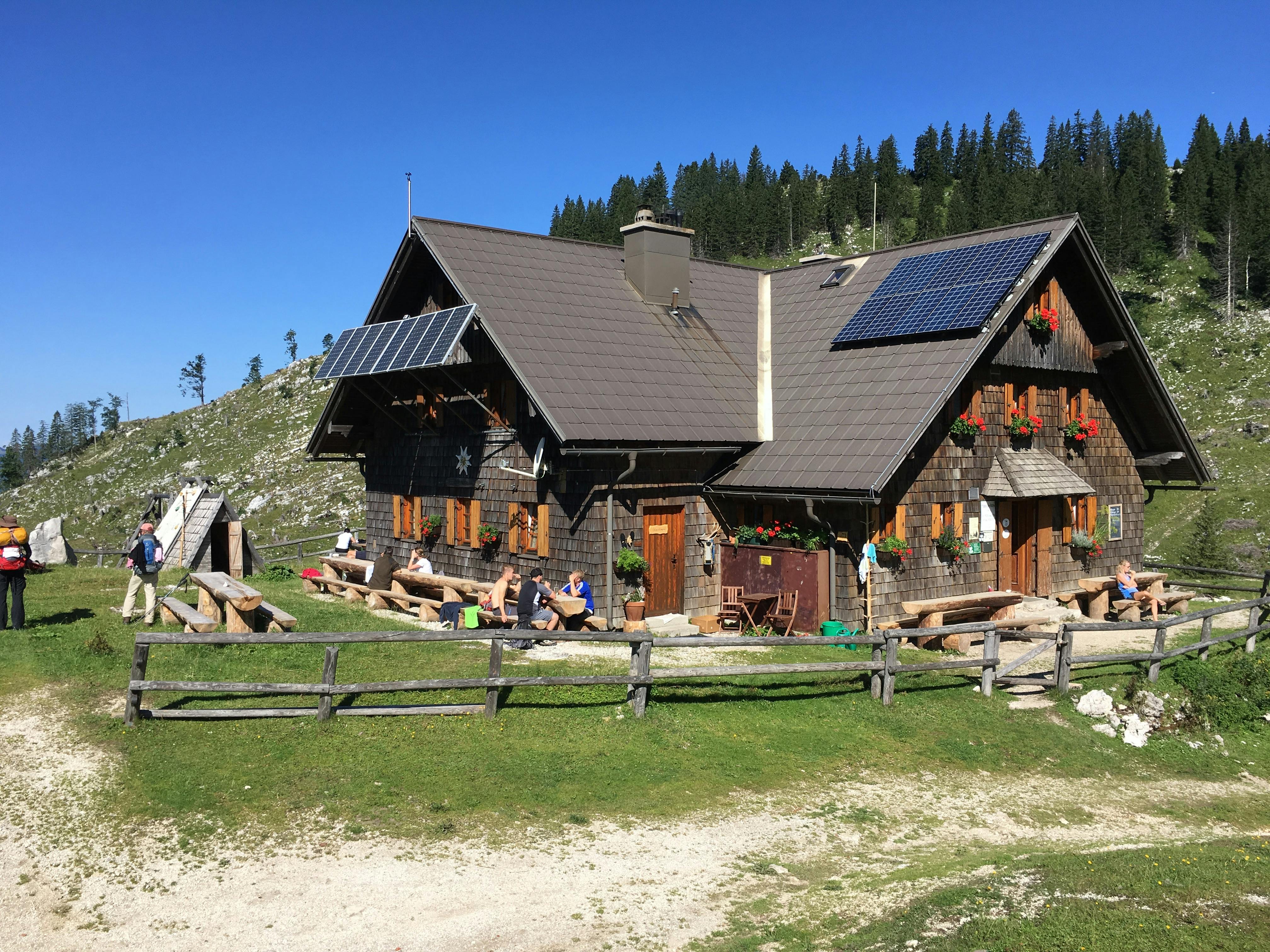
Solar panels, small wind turbines, and micro-hydropower systems are ideal for places without easy access to the main power grid. These technologies can be installed locally and run independently, offering electricity for homes, schools, and healthcare facilities.
Solar panels, small wind turbines, and micro-hydropower systems are ideal for places without easy access to the main power grid. These technologies can be installed locally and run independently, offering electricity for homes, schools, and healthcare facilities.
Improving Quality of Life
Having reliable electricity means better lighting, safer homes, and access to communication tools like phones and the internet. This helps children study after dark, families stay connected, and clinics operate more efficiently.
Having reliable electricity means better lighting, safer homes, and access to communication tools like phones and the internet. This helps children study after dark, families stay connected, and clinics operate more efficiently.

Economic Benefits and New Opportunities
Renewable energy also supports local businesses by powering tools and machines. It creates jobs in installation and maintenance and reduces costs spent on expensive fuels. Communities can develop small industries and improve farming with better irrigation systems.
Renewable energy also supports local businesses by powering tools and machines. It creates jobs in installation and maintenance and reduces costs spent on expensive fuels. Communities can develop small industries and improve farming with better irrigation systems.
Environmental Impact
Using renewable energy reduces pollution and reliance on fossil fuels, protecting the environment and natural resources. This is especially important in fragile remote ecosystems where damage can be hard to repair.
Using renewable energy reduces pollution and reliance on fossil fuels, protecting the environment and natural resources. This is especially important in fragile remote ecosystems where damage can be hard to repair.
Challenges and Future Prospects
Despite the benefits, some challenges remain, such as high initial costs and the need for technical training. However, with growing awareness and support, renewable energy is expected to spread even more widely, transforming remote areas around the world.
Despite the benefits, some challenges remain, such as high initial costs and the need for technical training. However, with growing awareness and support, renewable energy is expected to spread even more widely, transforming remote areas around the world.

Conclusion
Renewable energy is more than just power—it is a tool for change. In remote communities, it brings hope, opportunity, and a better quality of life. Supporting these technologies means investing in a sustainable and fair future for all.