
Introduction
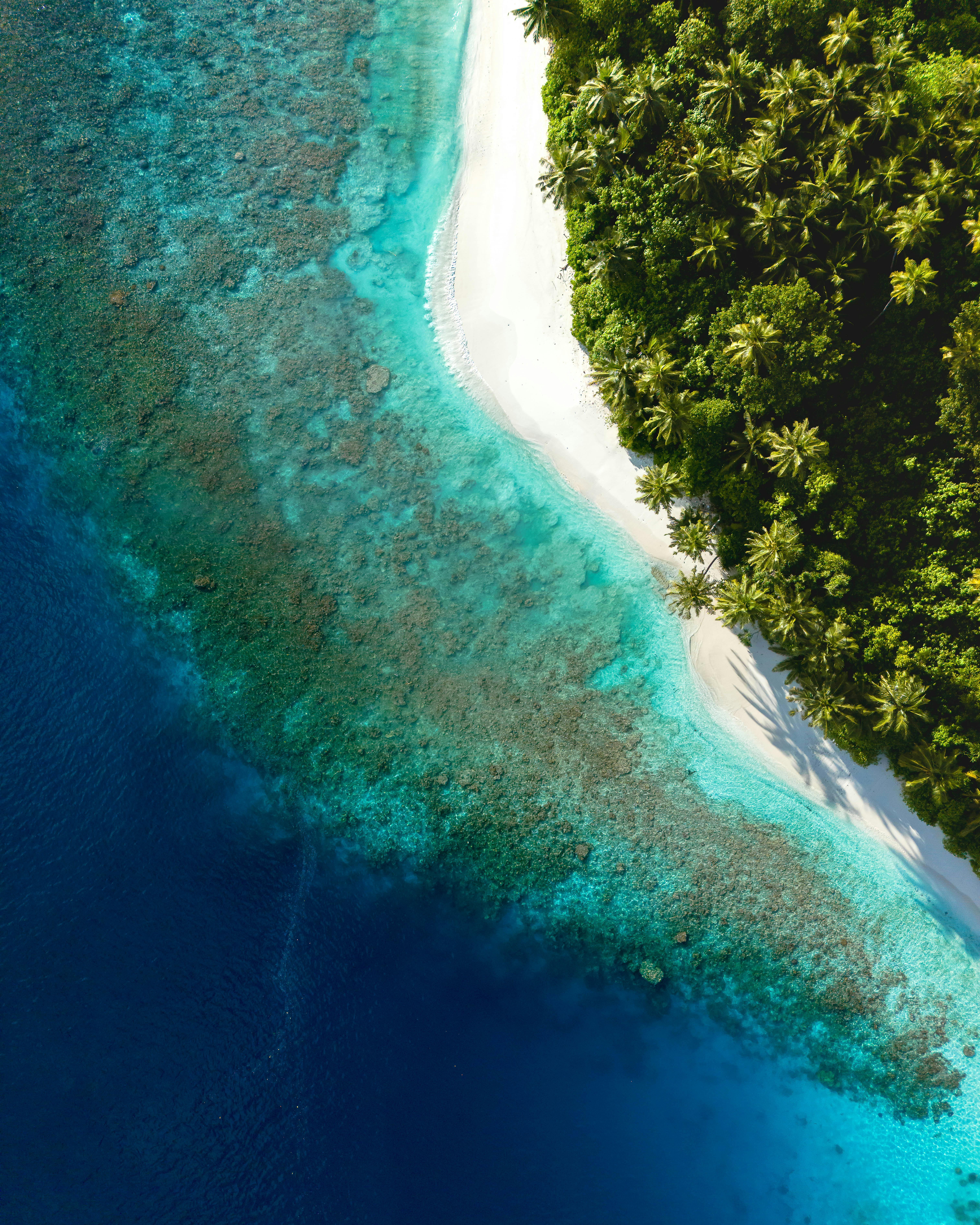
Isolated islands are fascinating places where nature creates some of its most unique species. Cut off from the mainland, animals and plants on these islands often evolve in ways that make them very different from their relatives elsewhere. Studying these islands helps us understand evolution and how species adapt to special environments.
Island Isolation and Evolution
When species arrive on an island, they face new challenges like limited space, different food sources, and few predators. Over time, these pressures lead to changes in size, behavior, or appearance. This process, called adaptive radiation, results in species found nowhere else on Earth.
When species arrive on an island, they face new challenges like limited space, different food sources, and few predators. Over time, these pressures lead to changes in size, behavior, or appearance. This process, called adaptive radiation, results in species found nowhere else on Earth.
Examples of Unique Island Species
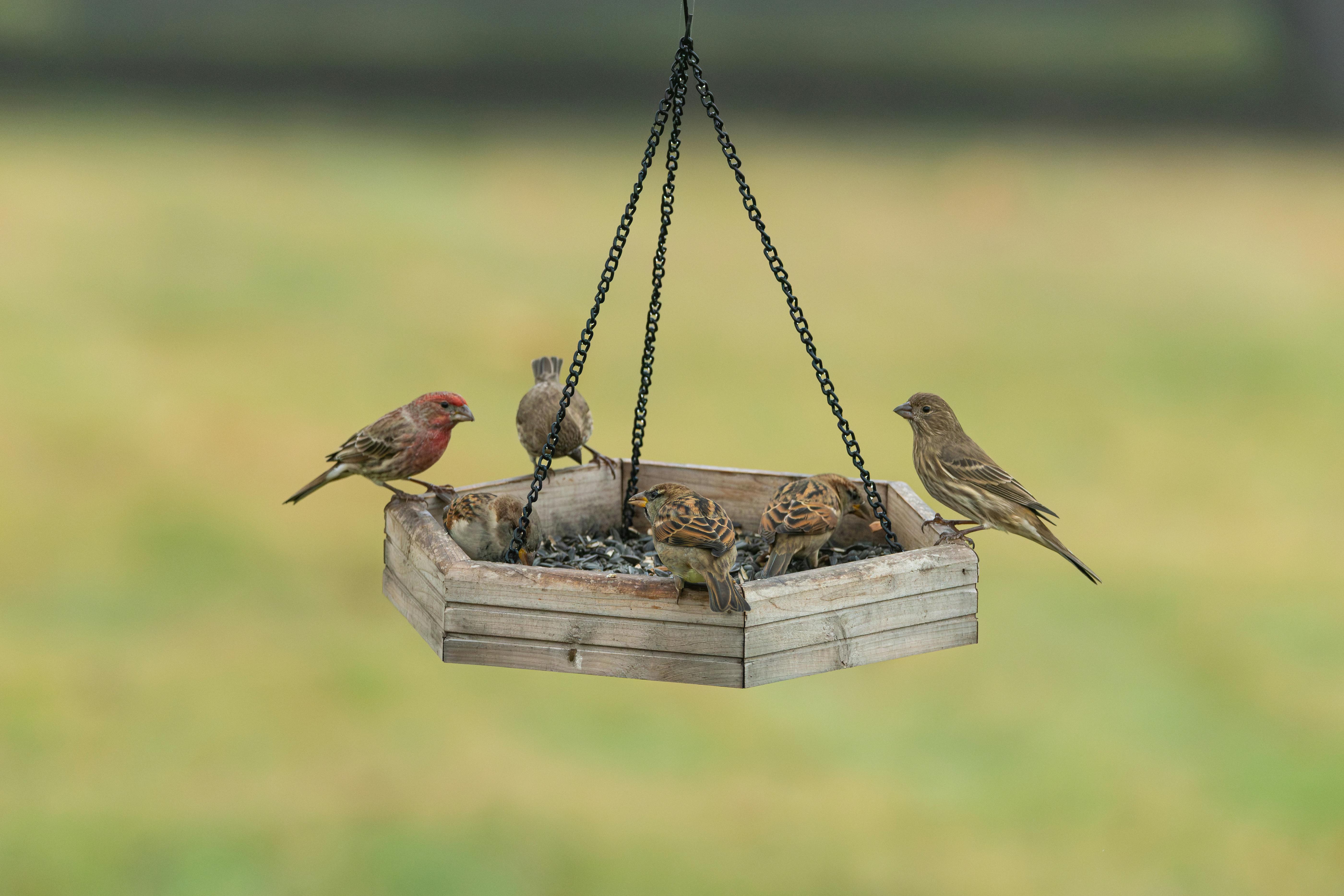
Many islands are home to animals and plants that exist only there. For instance, the Galápagos Islands are famous for their finches, which helped Charles Darwin develop his theory of evolution. Similarly, Madagascar hosts lemurs found nowhere else.
Many islands are home to animals and plants that exist only there. For instance, the Galápagos Islands are famous for their finches, which helped Charles Darwin develop his theory of evolution. Similarly, Madagascar hosts lemurs found nowhere else.
How Isolation Affects Biodiversity
Isolation can both protect and endanger species. Without predators, some animals thrive, but being limited to small areas makes them vulnerable to environmental changes or human activities. This makes conservation efforts on islands especially important.
Islands as Natural Laboratories
Because of their unique conditions, islands serve as natural laboratories for scientists. They allow researchers to observe evolution and species interactions in a simpler setting than large continents.
Because of their unique conditions, islands serve as natural laboratories for scientists. They allow researchers to observe evolution and species interactions in a simpler setting than large continents.
Conclusion
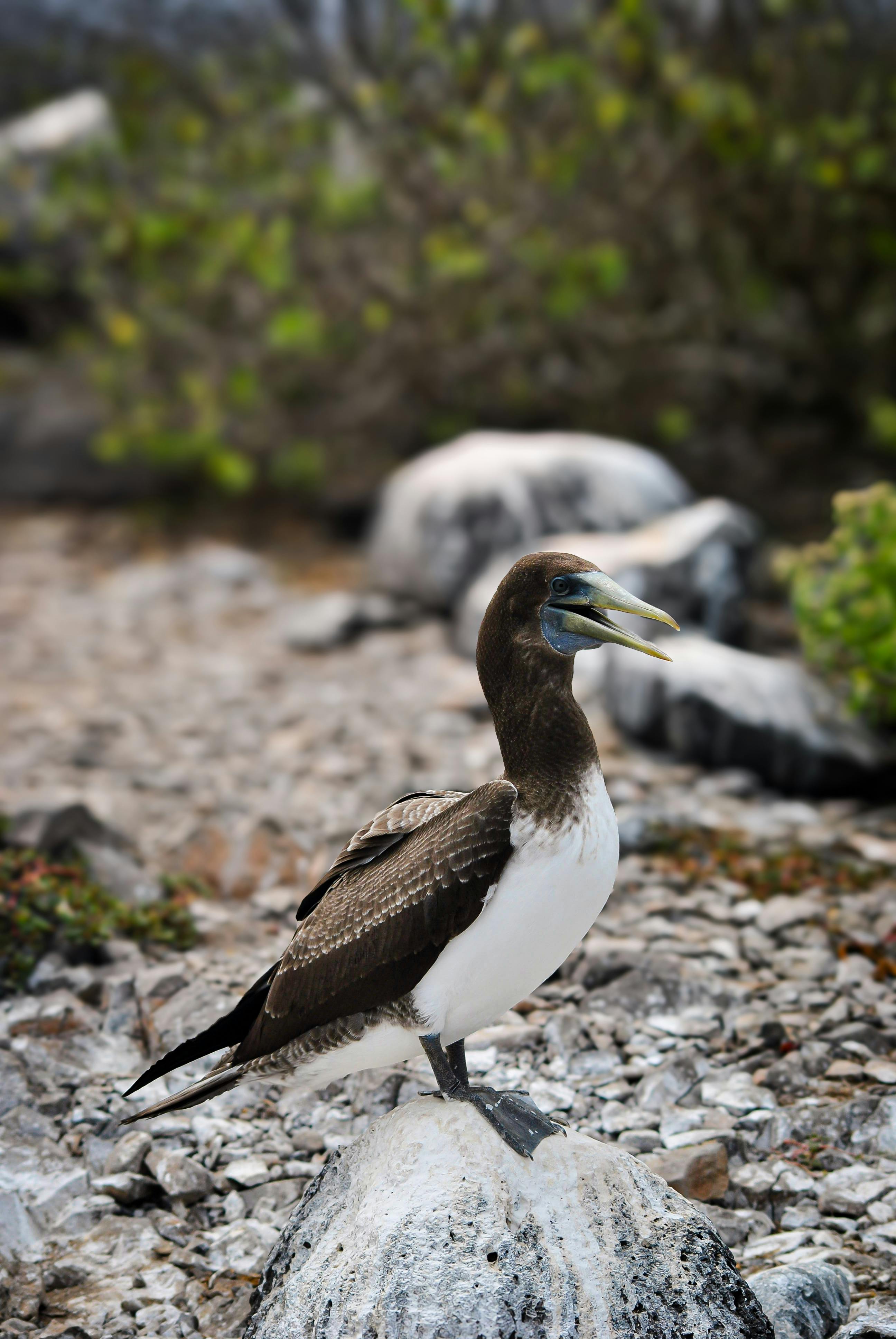
Isolated islands show us how life can change and adapt in special ways when cut off from the rest of the world. Protecting these islands means preserving some of Earth’s most extraordinary biodiversity and continuing to learn from nature’s creativity.