
Introduction
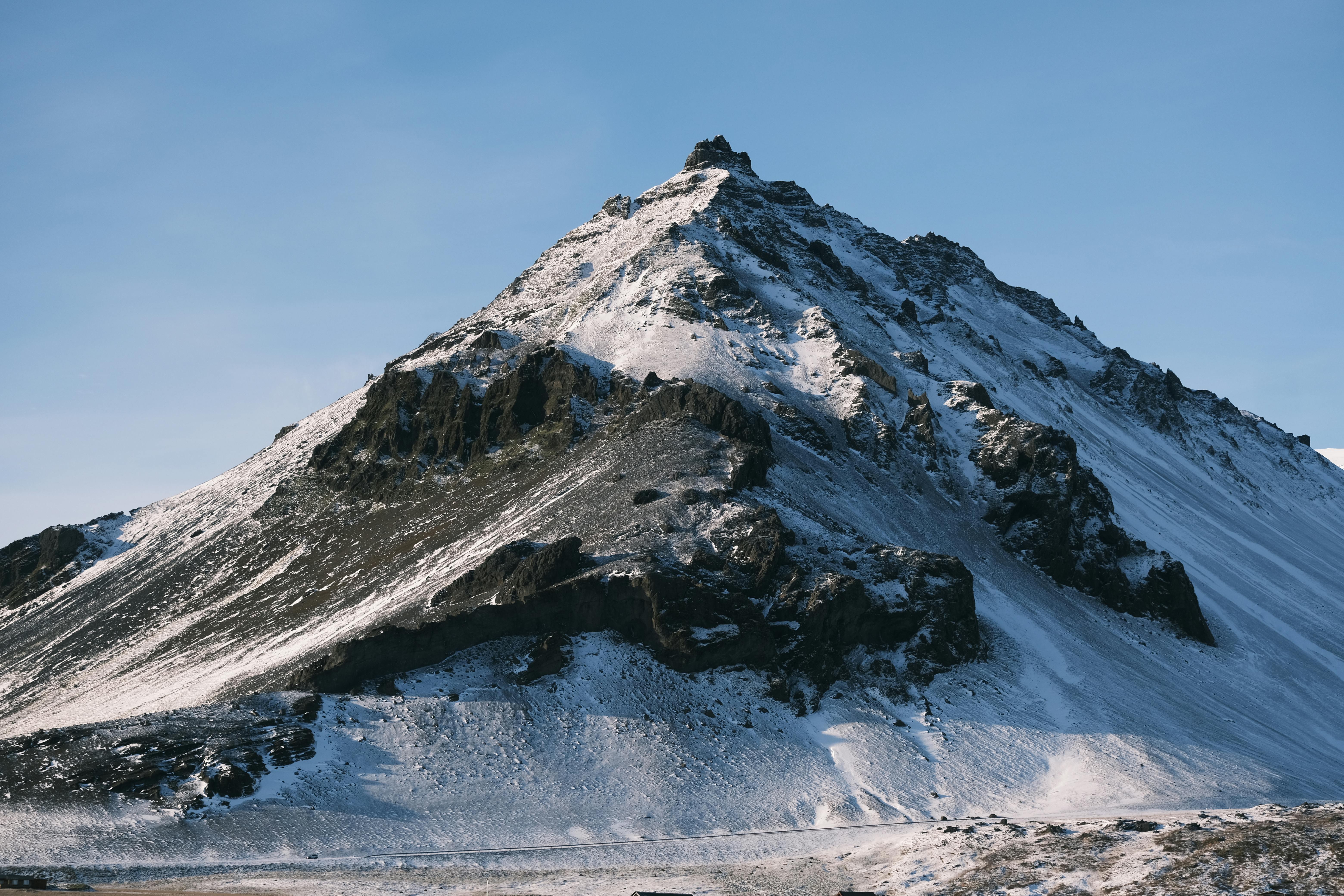
The world we see today is the result of countless geological forces working together over vast stretches of time. Among the most remarkable outcomes of these forces are the towering mountains that rise where the Earth's crust has been pushed, folded, and uplifted over millions of years. Mountains are created by the movement and collision of Earth's tectonic plates, illustrating the planet's ever-changing surface.
The Dynamic Nature of Earth's Crust
Our geological journey begins deep beneath the Earth's surface, where massive tectonic plates slowly drift on a layer of molten rock known as the mantle. This movement, though almost imperceptible to us, constantly reshapes the planet. Over millions of years, it has built continents, opened oceans, and laid the foundations for the mountains that define Earth's landscape today.
The Role of Plate Movements in Mountain Formation
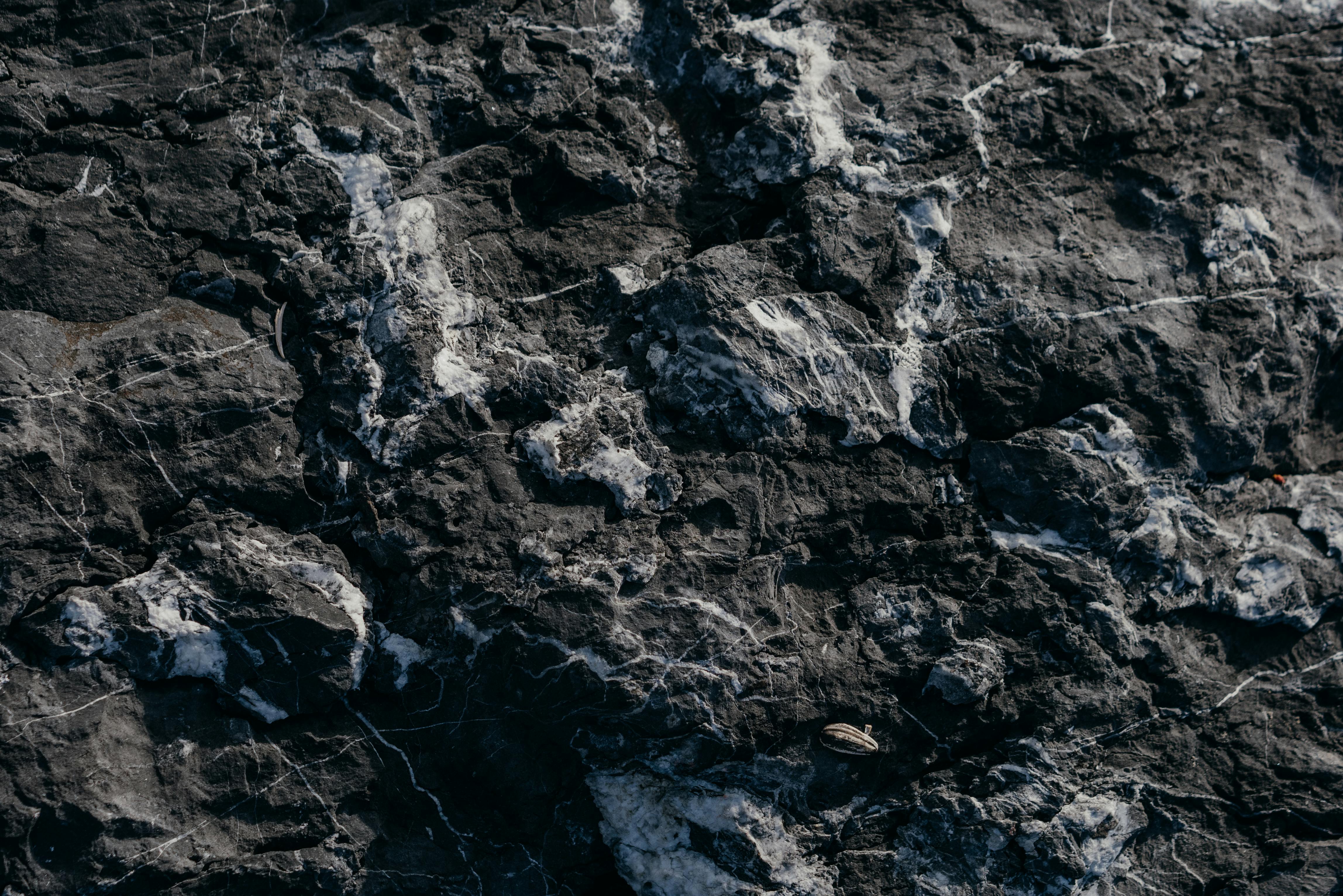
As we explore further, we discover that mountain building is one of the most powerful outcomes of plate movement. When tectonic plates collide, the immense pressure forces sections of the Earth's crust to crumple, fold, and rise. These slow but persistent movements demonstrate the planet's incredible energy and reveal how mountains grow as visible marks of Earth's dynamic activity.
Fold Mountains: When the Earth Bends but Doesn't Break
Continuing our journey through geological time, we find that some of the most majestic ranges on Earth are fold mountains . They form when rock layers are compressed by the collision of plates, bending rather than breaking under pressure. The Himalayas and the Alps are striking examples—ancient structures still rising today as the plates beneath them continue their relentless motion.
Volcanic Mountains: Born from Fire Within the Earth
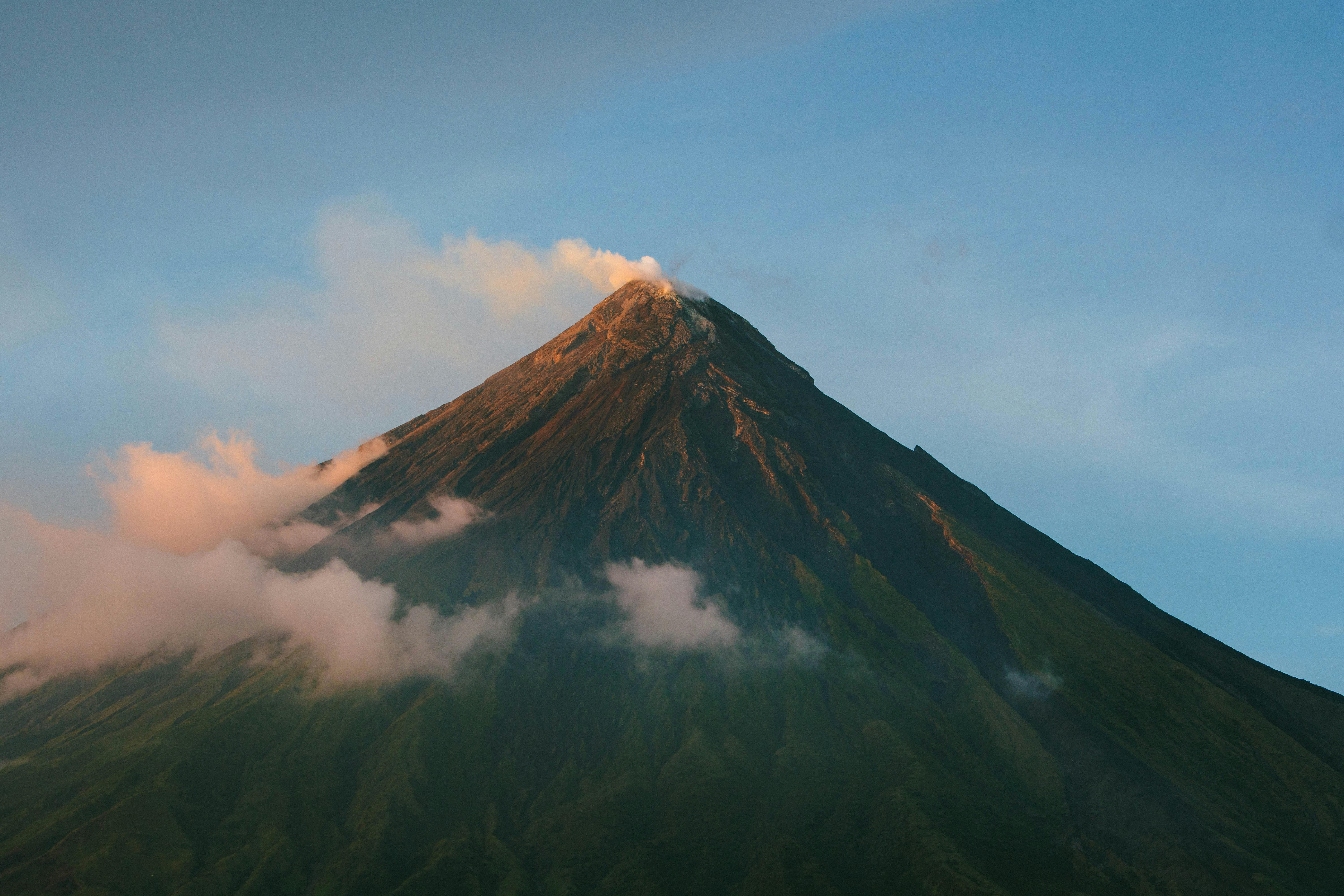
As our journey moves deeper into Earth's fiery heart, we encounter another powerful force of mountain building — volcanism. When molten rock, or magma, rises from the mantle and erupts onto the surface, it cools and solidifies, gradually forming volcanic mountains. Over time, repeated eruptions build towering peaks like Mount Fuji in Japan or Mount Vesuvius in Italy. These fiery mountains remind us that Earth's surface is alive, constantly shaped by the energy within.
Conclusion
Our geological journey reveals that mountains are born from powerful forces deep within the Earth. Through the slow movement of tectonic plates, the fiery eruptions of volcanoes, and the steady work of erosion, the surface of our planet is constantly being reshaped. Understanding how mountains form helps us appreciate Earth not as a static world, but as a living, evolving system — one that continues to transform and inspire discovery.
