
Introduction
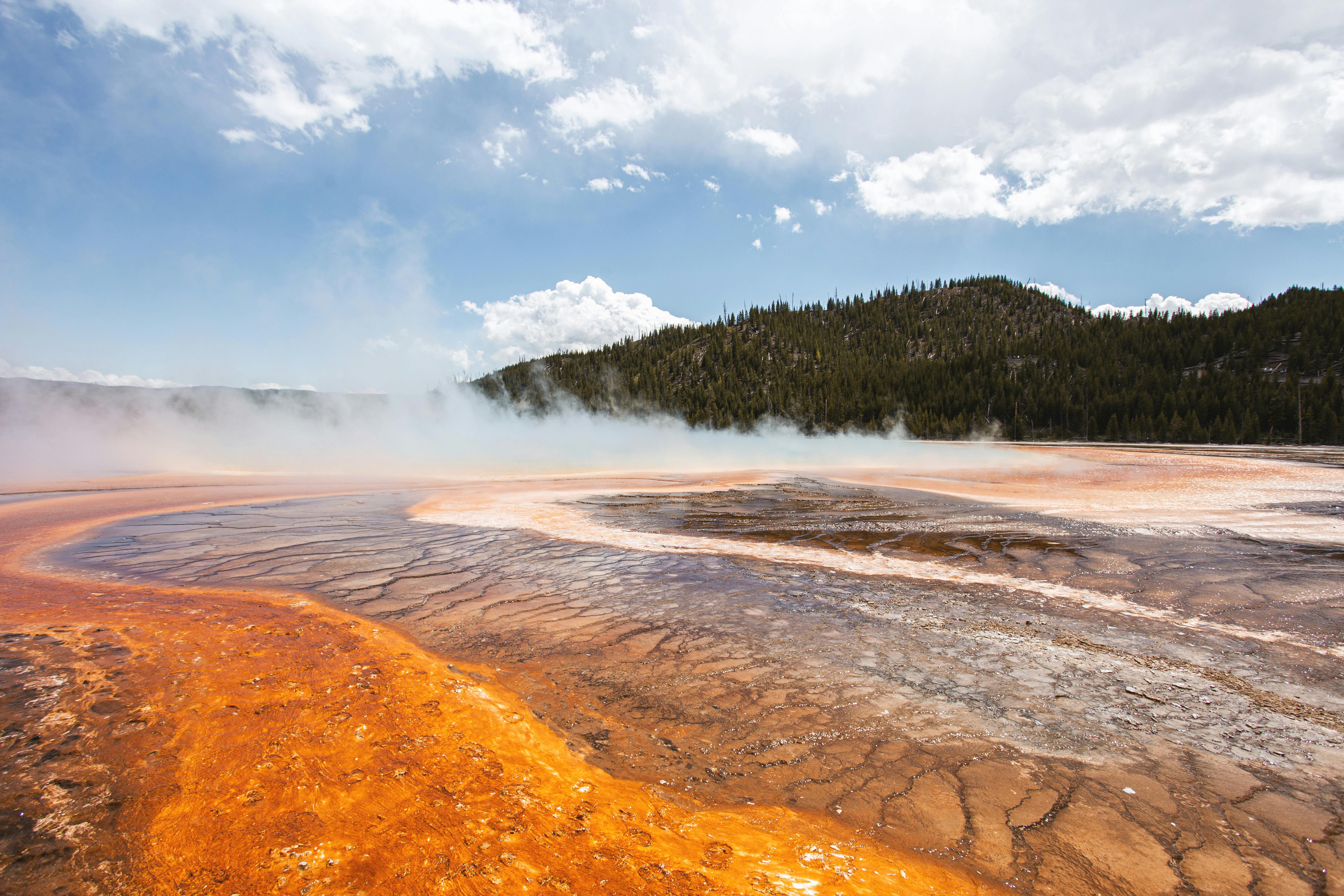
Hot springs are some of the most unusual places on Earth, where temperatures can reach levels that would kill most forms of life. Yet, despite these harsh conditions, countless microbes not only survive but thrive. These tiny organisms show how adaptable life can be, even in environments once thought impossible to inhabit.
Microbial Survival in Extreme Heat
The microbes found in hot springs have special adaptations that allow them to withstand high temperatures. Their proteins and cell structures are built to remain stable even when the water around them is near boiling. These adaptations protect them from damage and allow them to carry out normal life functions.
Unique Microbial Diversity in Hot Springs
Each hot spring hosts its own community of microbes, shaped by temperature, minerals, and pH levels. Some microbes prefer extremely hot water, while others grow in slightly cooler zones. This creates colorful layers and patterns in the springs, formed by different microbial species living side by side. Their diversity helps scientists understand how life adapts to extreme environments.
Microbial Roles in Chemical Processes
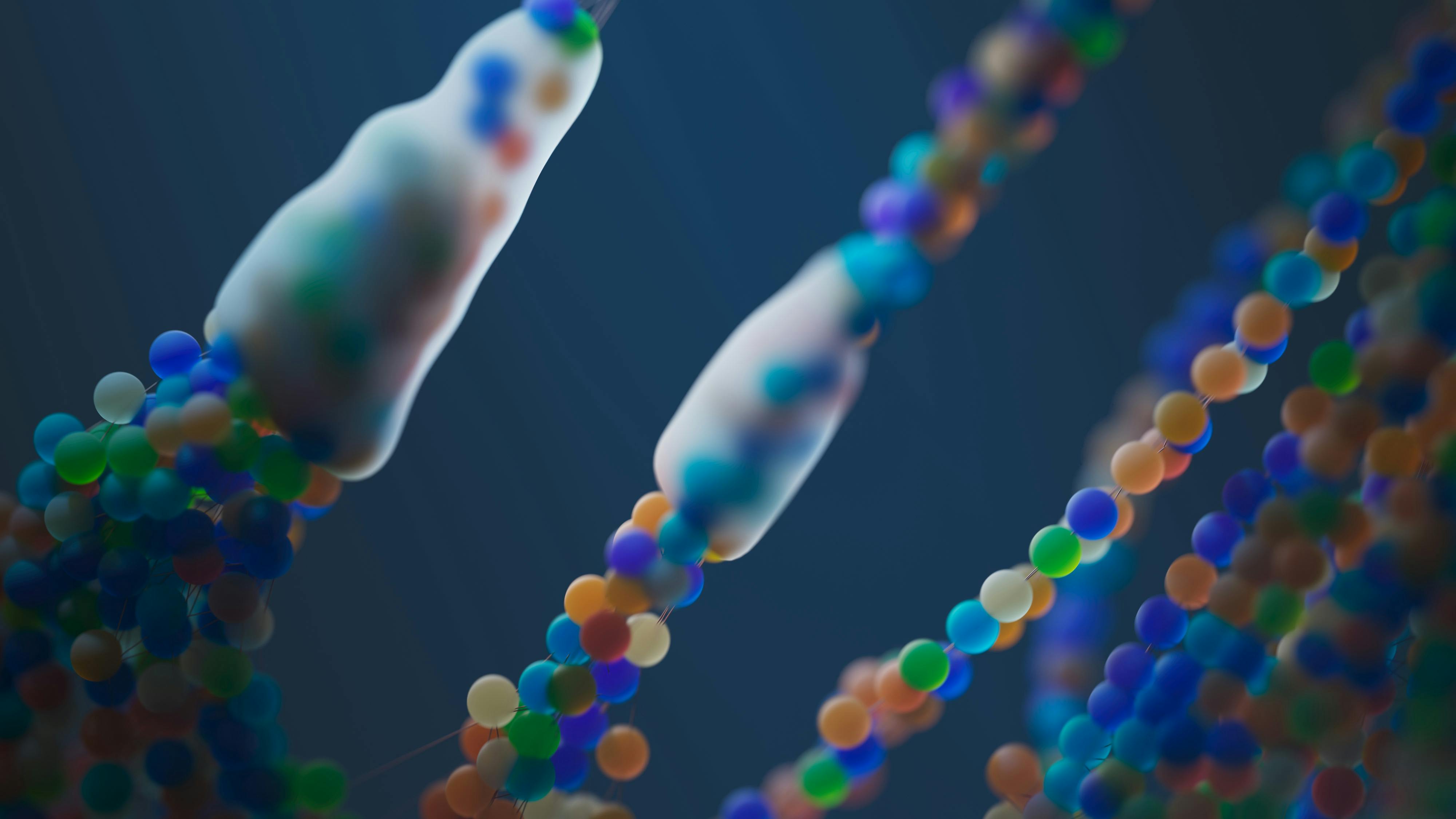
Many hot spring microbes play important roles in chemical reactions. Some break down minerals, while others produce energy using chemical compounds in the water. These processes help shape the environment around them and offer clues about how early life on Earth may have survived billions of years ago.
What Hot Spring Microbes Teach Us About Life
Studying microbes in hot springs helps scientists explore the limits of life. These organisms show how life might exist on other planets or moons with extreme conditions. They also provide useful enzymes and compounds that can be applied in medicine, industry, and scientific research.
Human Benefits from Studying Hot Spring Microbes
Microbes from hot springs have already contributed to major scientific advancements. One famous example is a heat-resistant enzyme used in DNA research. Discoveries like this show how studying extreme environments can lead to breakthroughs that benefit people around the world.
Conclusion
Hot springs remind us that life is far more resilient than we once believed. The microbes Living in these extreme places opens a window into Earth's past and offers possibilities for future discoveries in science and technology.
