

Introduction
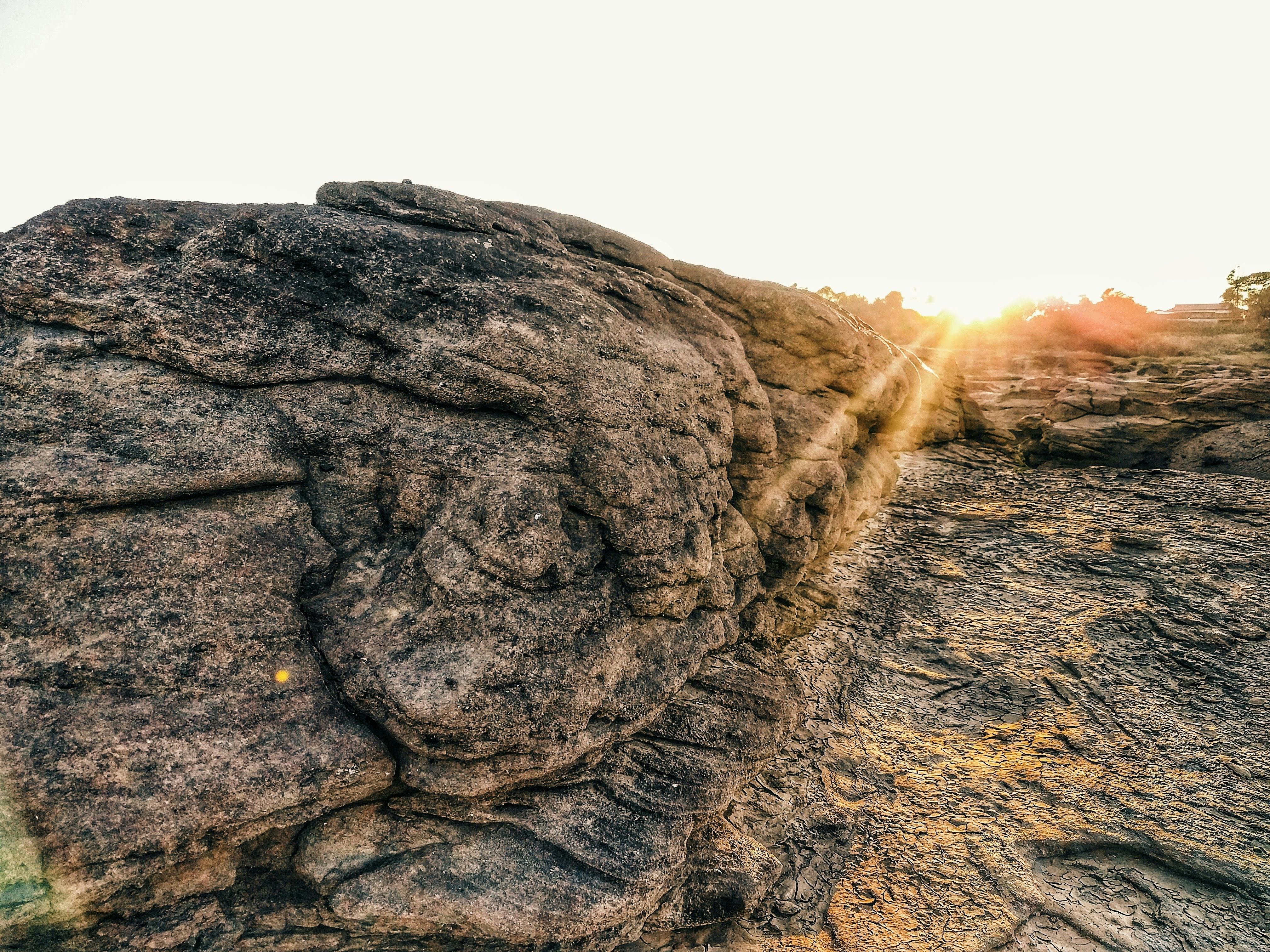
Rocks may seem simple at first glance, but to geologists, they are like pages in Earth’s diary. Each layer, crack, and mineral tells a story about what happened millions of years ago. Through exploration and careful study, scientists learn how mountains formed, how climates changed, and how life evolved on our planet.
Rocks as Records of Past Environments
Different types of rocks form in different places, which helps scientists understand ancient environments. For example, sandstone can show where ancient deserts once existed, while limestone often points to ancient oceans. By studying these rocks, geologists can recreate what Earth looked like long before humans appeared.
Reading Layers and Geological Time
Rock layers, known as strata, act like a timeline. The deeper the layer, the older it usually is. By reading these layers, scientists can identify major events such as volcanic eruptions, shifts in climate, or long periods of stability. This helps them piece together Earth's long and complex history.
Fossils and the Story of Life
Fossils embedded in rocks reveal how life has changed over millions of years. From ancient sea creatures to early plants, fossils show which species lived at certain times and how they adapted. These discoveries give clues about evolution and mass extinctions.
Minerals as Clues to Earth's Processes
Minerals hold information about the conditions under which they are formed. Their color, shape, and composition help scientists understand heat, pressure, and chemical processes deep underground. This information helps explain how mountains rise, how volcanoes form, and how continents shift.

Fieldwork and Modern Technology
To read Earth's history, geologists combine hands-on fieldwork with modern tools. They collect rock samples, study landscapes, and use technologies like satellite images and chemical analysis. This blend of traditional exploration and advanced science allows for a clearer view of Earth's past.
Conclusion
Rocks are more than just pieces of the ground—they are storytellers of Earth's ancient past. By studying them, geologists uncover the events that shaped our planet and learn how it continues to change today. Their work reminds us that the Earth is alive with history, waiting to be read and understood.