
Introduction
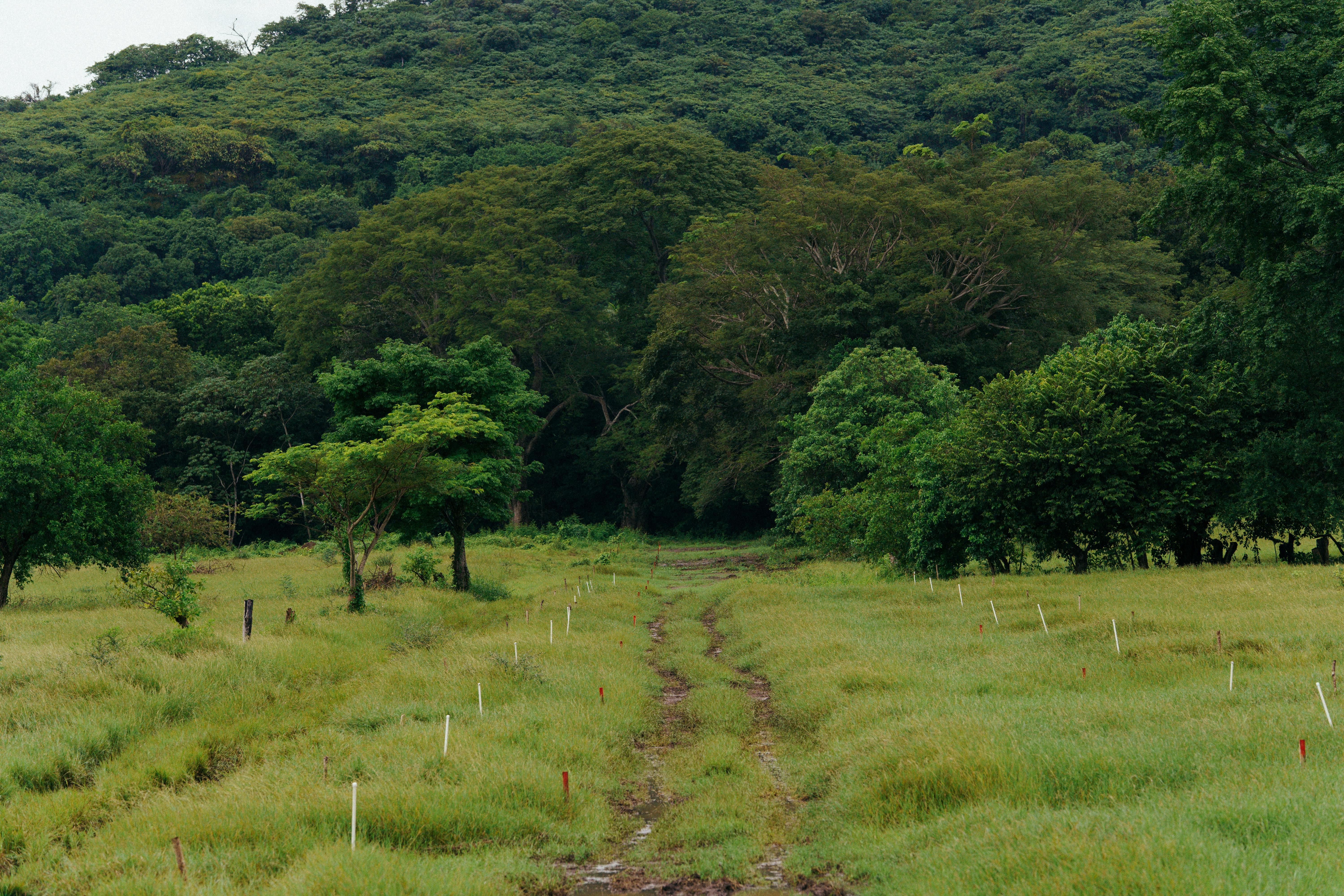
Nature reserves are some of the most important places on Earth for protecting life in all its forms. These protected areas give plants and animals a safe space to grow, reproduce, and thrive without many of the dangers found in human-dominated environments. By studying what happens inside these reserves, scientists can better understand how ecosystems work and how to protect them.
The Role of Nature Reserves in Protecting Species
Nature reserves offer a safe haven for species that are threatened or declining. By limiting human activities such as hunting, pollution, and deforestation, these areas give wildlife the chance to recover. Many endangered animals and plants survive today because they have protected spaces where they can live undisturbed.
Nature reserves offer a safe haven for species that are threatened or declining. By limiting human activities such as hunting, pollution, and deforestation, these areas give wildlife the chance to recover. Many endangered animals and plants survive today because they have protected spaces where they can live undisturbed.
Preserving Habitats and Ecosystems
Healthy ecosystems need space to function, and nature reserves make this possible. From forests and wetlands to deserts and mountains, these protected zones keep natural habitats intact. This helps maintain food chains, water cycles, and the overall balance of nature.
Healthy ecosystems need space to function, and nature reserves make this possible. From forests and wetlands to deserts and mountains, these protected zones keep natural habitats intact. This helps maintain food chains, water cycles, and the overall balance of nature.
Supporting Scientific Research and Conservation Efforts
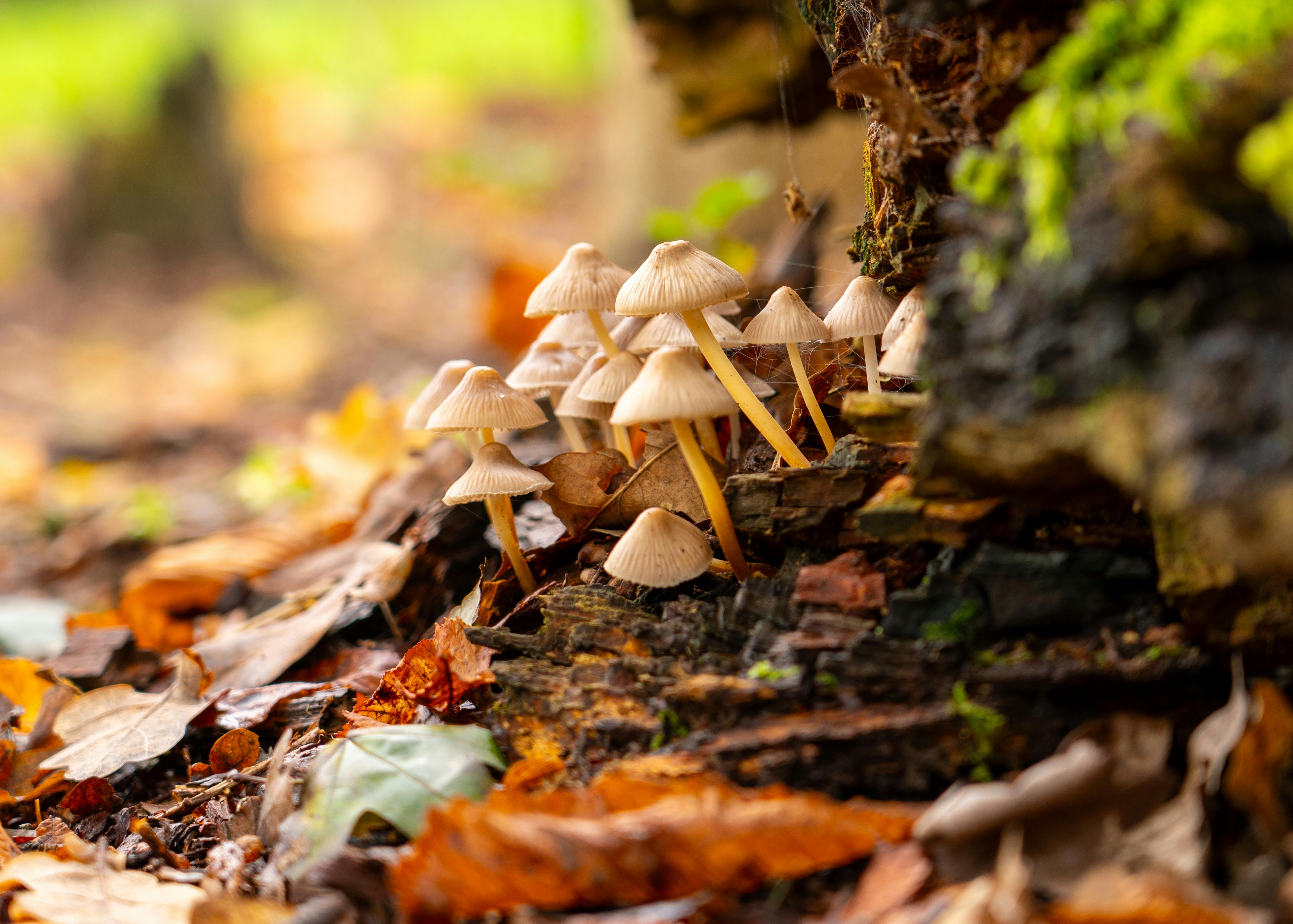
Nature reserves act like outdoor laboratories. Scientists can observe animals in their natural behavior, study plant growth, or monitor environmental changes. These discoveries help guide conservation strategies and teach us how to better protect the environment outside the reserves as well.
Nature reserves act like outdoor laboratories. Scientists can observe animals in their natural behavior, study plant growth, or monitor environmental changes. These discoveries help guide conservation strategies and teach us how to better protect the environment outside the reserves as well.
Helping Restore Damaged Environments
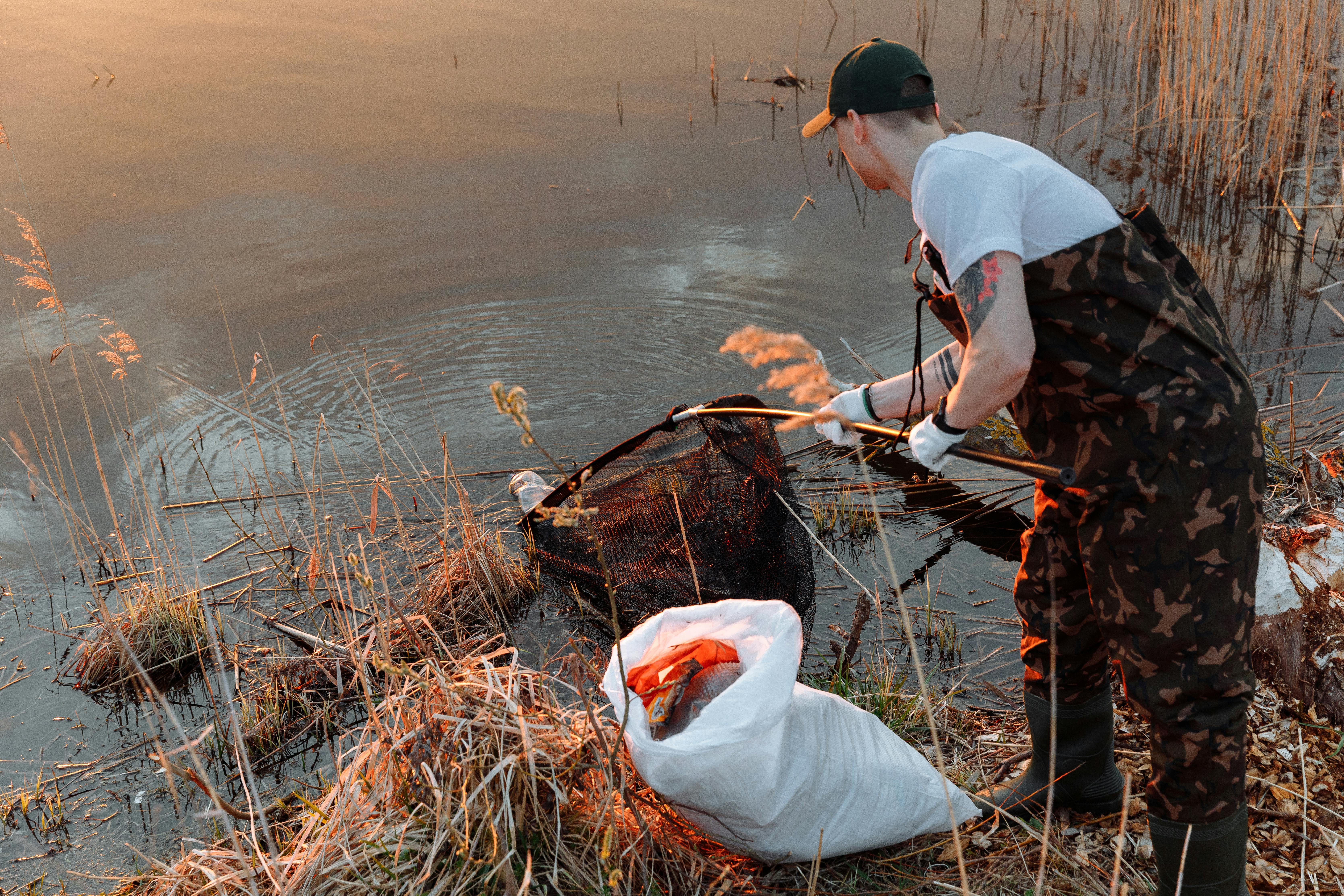
Some nature reserves also focus on restoring areas harmed by logging, farming, or development. By planting native trees, reintroducing wildlife, or cleaning polluted areas, these reserves help bring damaged ecosystems back to life. Over time, they can regain their natural balance.
Some nature reserves also focus on restoring areas harmed by logging, farming, or development. By planting native trees, reintroducing wildlife, or cleaning polluted areas, these reserves help bring damaged ecosystems back to life. Over time, they can regain their natural balance.
Benefits for Local Communities and Education
Nature reserves also support people. They provide opportunities for eco-tourism, which helps local communities earn income while preserving nature. They also serve as places where students and visitors can learn about wildlife and understand why biodiversity matters.
Conclusion
Nature reserves are more than just protected lands—they are living classrooms that show us how life survives, adapts, and recovers. By safeguarding these areas, we protect biodiversity and ensure that future generations can experience the richness of the natural world.