
Introduction
Animals may not use words the way humans do, but they still manage to share warnings, express needs, and build social bonds. Their communication is subtle, diverse, and often surprising. By studying how animals interact, we gain a better understanding of their behavior and the hidden signals that guide life in the natural world.
Communication Through Sounds
Many animals rely on sounds to send messages. Birds sing to defend their territory, wolves howl to gather their pack, and dolphins use clicks and whistles to stay in contact. Each sound carries meaning, allowing animals to communicate even when they cannot see one another.
Body Language and Movement
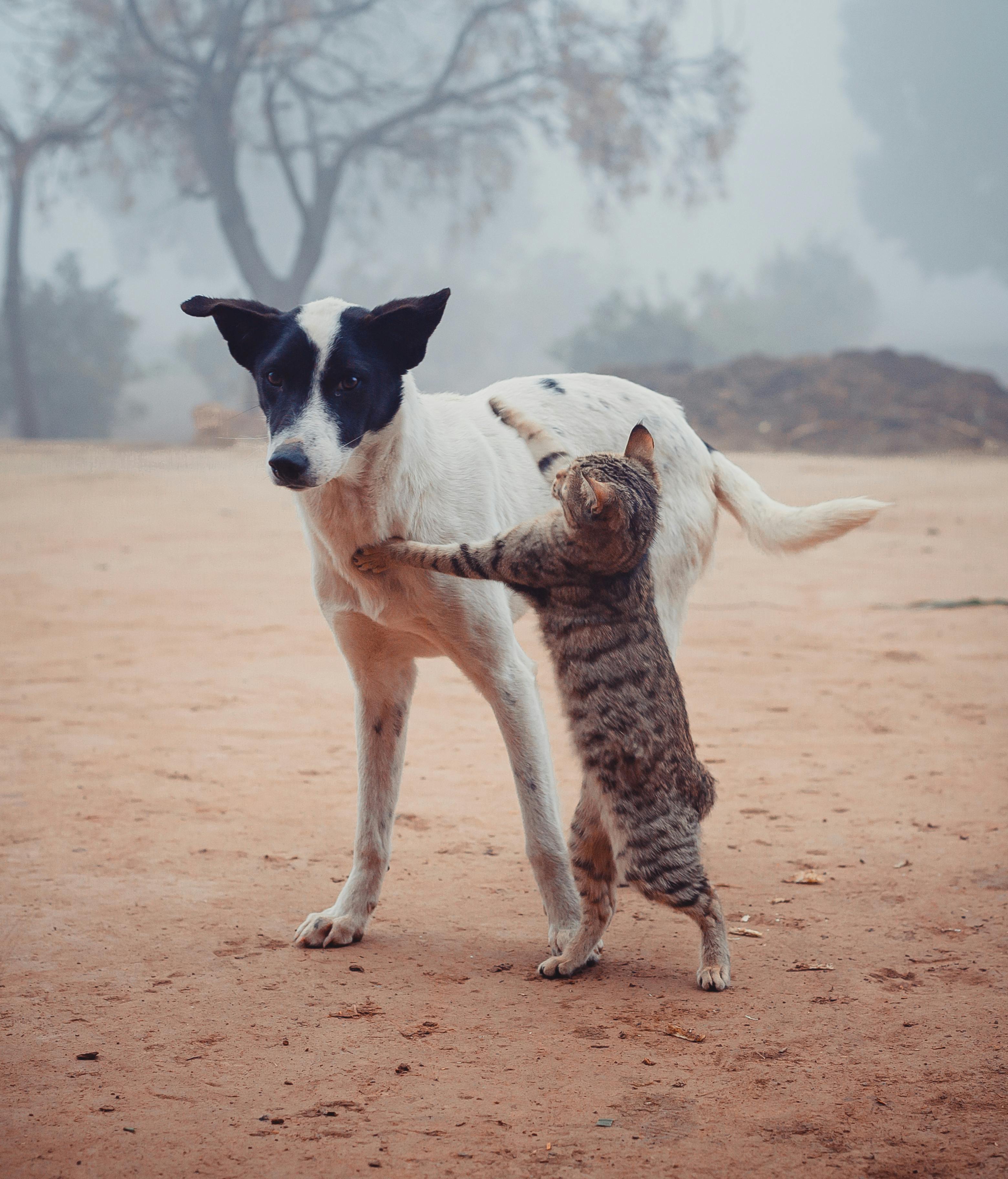
Animals also use their bodies to express themselves. A dog wagging its tail, a cat arching its back, or a lizard doing quick push-ups are all forms of communication. These movements help animals show fear, confidence, or curiosity without making a sound.
Scent and Chemical Signals
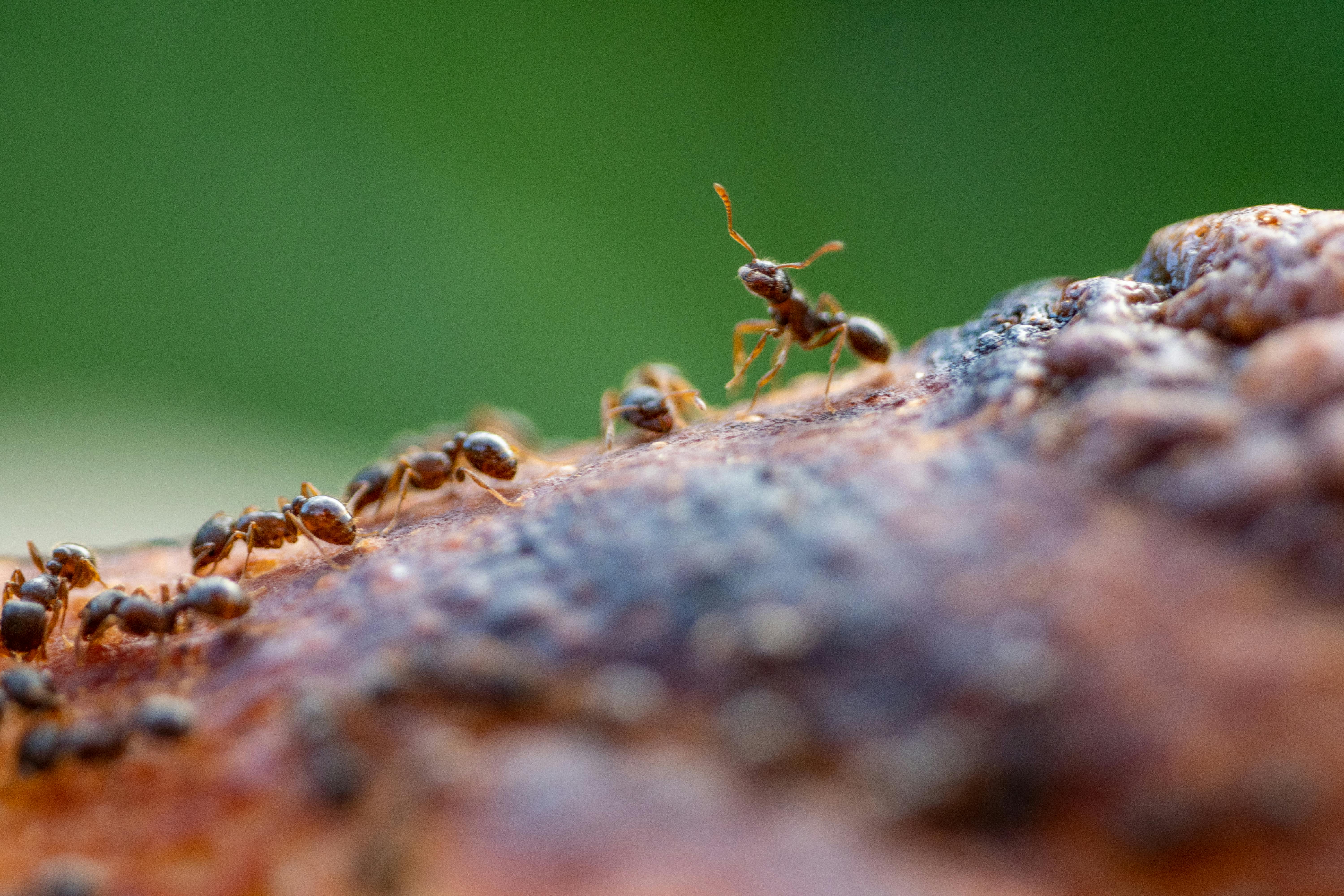
Smell plays a major role in communication for many species. Bees release scents to guide other bees to flowers, and ants leave chemical trails to lead their colony to food. Even mammals mark their territory with scent to warn others to stay away.

Visual Signals and Color Changes
Some animals communicate through colors and patterns. For example, chameleons change color to show mood or temperature changes, while butterflies use bright wings to warn predators that they are poisonous. These visual signals help animals protect themselves and interact with others.
Touch as a Social Tool
Touch can also communicate strong messages. Primates groom each other to build trust, while elephants use their trunks to comfort or guide one another. Physical contact helps strengthen social bonds and maintain group harmony.
