
Introduction
Pollination is a vital process in nature that helps plants reproduce and produce fruits and seeds. Without it, many plants would struggle to survive, and the foods we depend on every day would become scarce. Understanding natural pollination reveals how closely connected plants, animals, and humans truly are.
How Natural Pollination Works
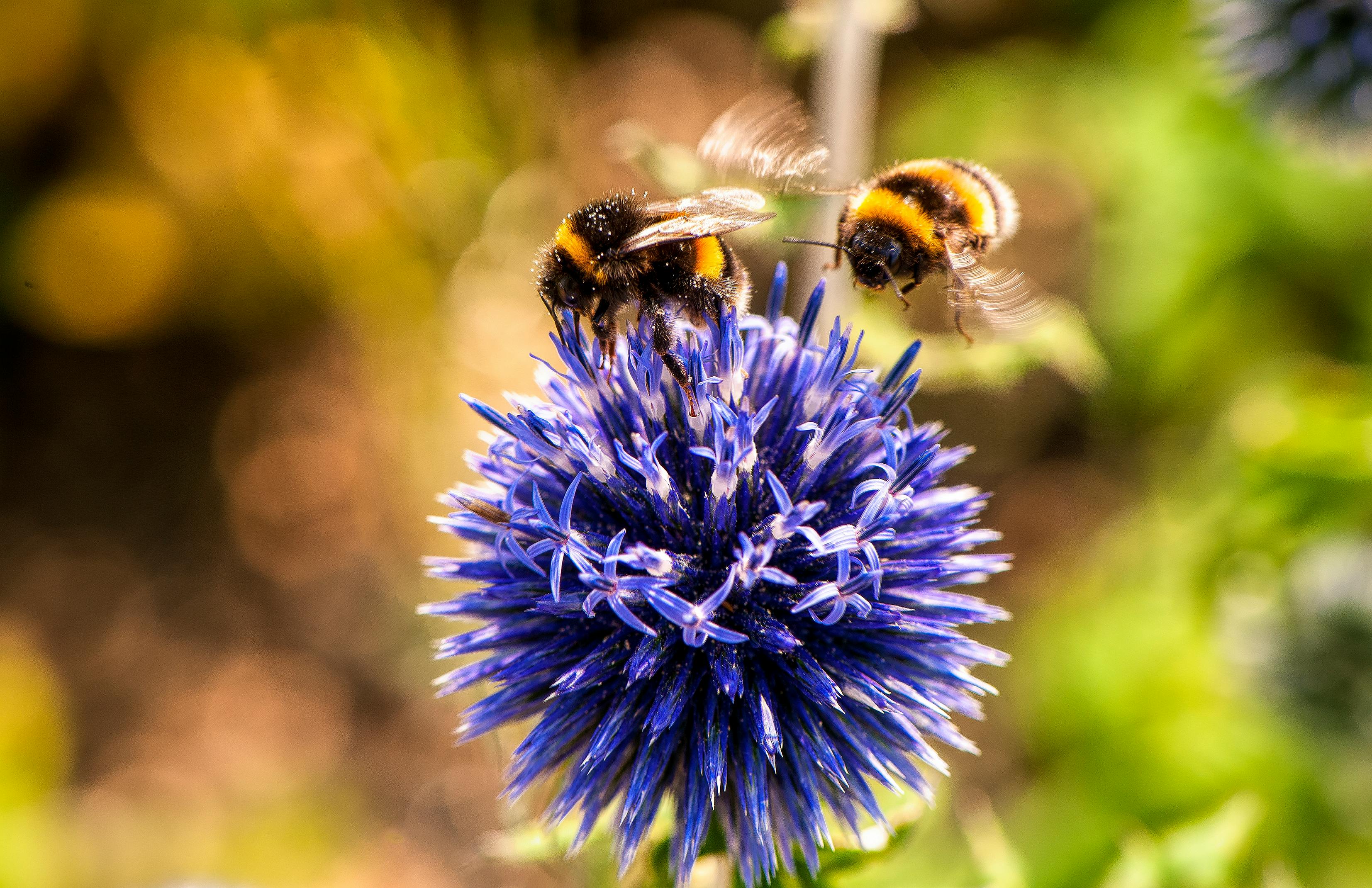
Natural pollination happens when pollen moves from one flower to another, often with the help of animals like bees, butterflies, and birds. These pollinators visit flowers to collect nectar or pollen for food, unknowingly carrying pollen between plants. This transfer allows plants to fertilize and grow fruits or seeds.
The Importance of Pollinators in Plant Life
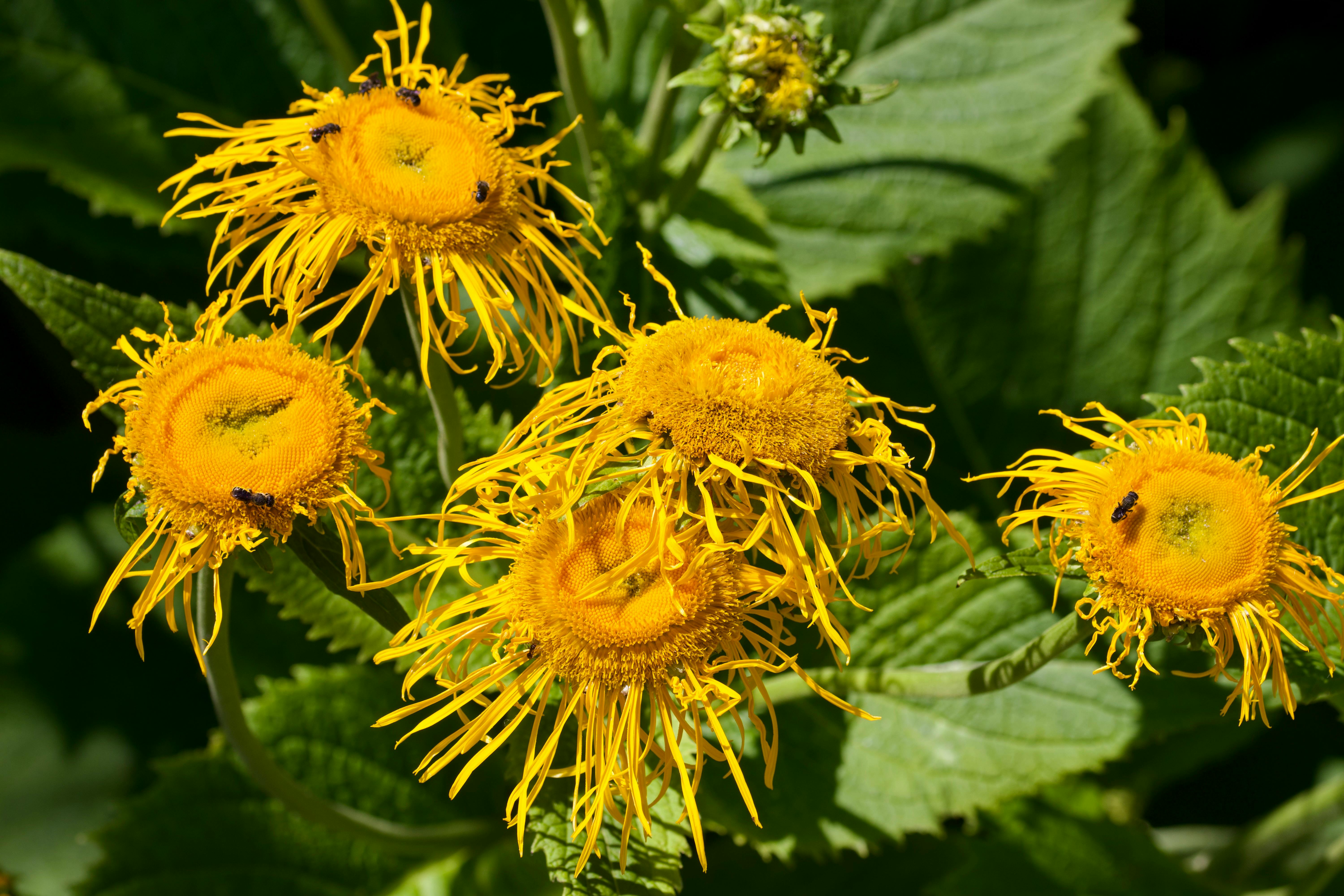
Pollinators are essential for the survival of many plants. Without them, many flowers wouldn’t be able to reproduce. This would cause a decline in plant diversity and disrupt ecosystems. Bees, in particular, play a huge role, as they pollinate a large number of crops and wild plants.
Pollination’s Role in Human Food Production
A large portion of the food humans eat depends on pollination. Fruits, vegetables, nuts, and seeds all require pollinators to grow. If pollinators disappear, it could lead to food shortages and higher prices. Protecting pollinators means protecting our food supply and health.

Threats to Pollinators and What Can Be Done
Pollinators face many dangers, including pesticide use, habitat loss, and climate change. These threats have led to declining populations of bees and other pollinators. To protect them, we need to reduce harmful chemicals, preserve natural habitats, and support sustainable farming practices.
Conclusion
Natural pollination is a beautiful example of how different parts of nature work together. It sustains plant life and provides much of the food we eat. By understanding and protecting pollinators, we ensure a healthy environment and food security for future generations.
